한국의 장 문화
The Art of Korean Jang — One Brick. Five Lives.
된장 · 간장 · 고추장 · 쌈장 · 막장
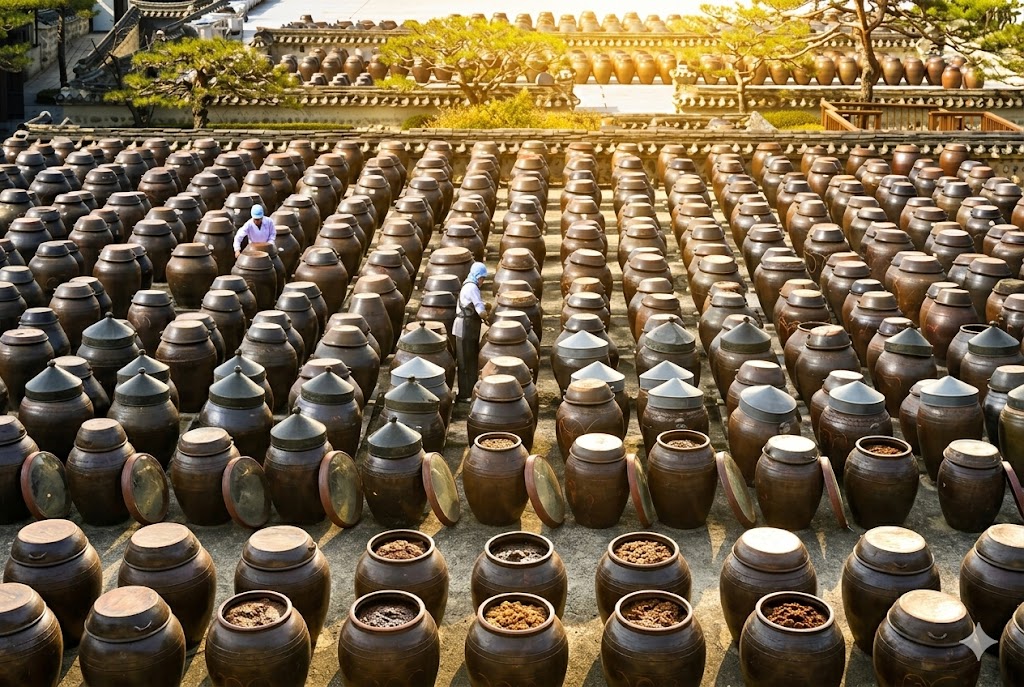
장독대 — 계절이 바뀌어도 항아리는 그 자리에서 숨을 쉽니다
Every sauce in your Korean meal traces back to one brick of fermented soybeans. One brick — and from it, five completely different outcomes. This is jang. And once you understand it, Korean food will never taste the same.
한국 밥상에 올라오는 모든 소스는 메주 한 덩어리에서 시작됩니다. 하나의 덩어리에서 전혀 다른 다섯 가지 결과가 나옵니다. 이게 장(醬)입니다. 이걸 알고 나면 한국 음식이 다르게 보입니다.
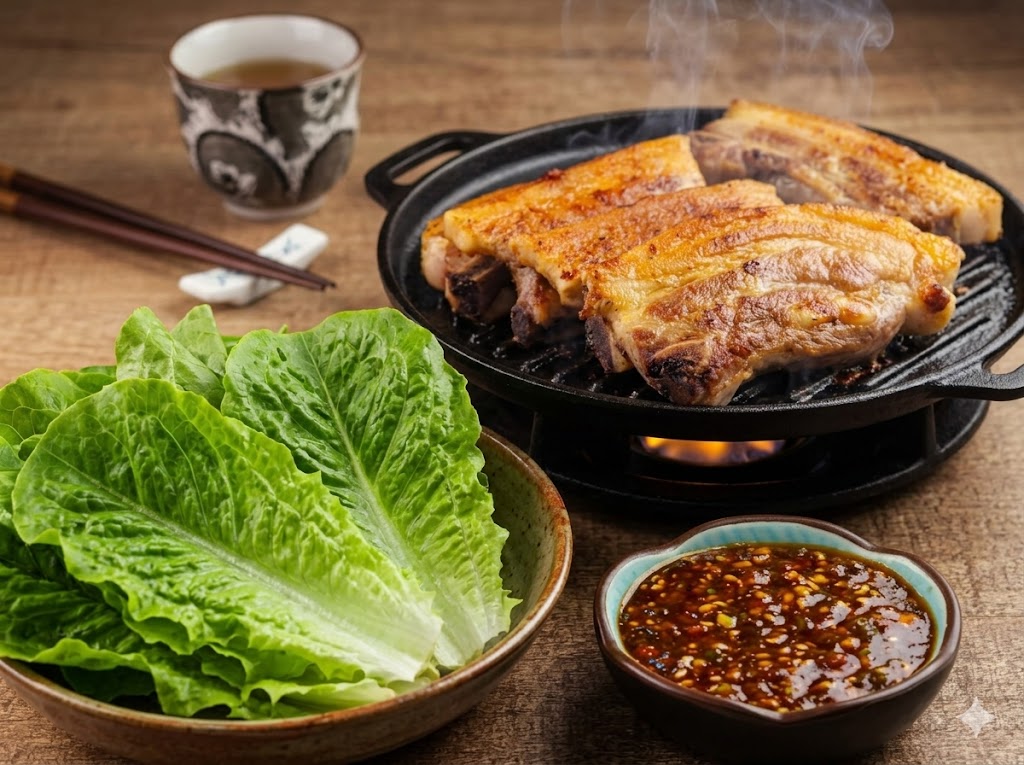
쌈장 없이는 삼겹살이 완성되지 않습니다
Most people who love Korean food think the magic is in the grill. The marinated beef, the charcoal, the sizzle. And they're not wrong — but they're starting at the wrong place.
The real foundation is jang. That deep, almost inexplicable umami in a bowl of doenjang jjigae? Jang. The sticky-sweet heat in your tteokbokki sauce? Jang. The thing that makes a lettuce wrap feel like an actual meal? Still jang. Korean cuisine has been building on fermented soybean paste for over 2,000 years — since the Goguryeo Kingdom, when records first describe a people unusually skilled at fermenting. Third-century Chinese texts noticed. They wrote it down.
한국 음식 좋아하는 사람들은 대부분 고기 굽는 불판부터 생각합니다. 양념 고기, 숯불, 지글거리는 소리. 맞습니다. 근데 출발점이 틀렸습니다.
진짜 기반은 장입니다. 된장찌개에서 느껴지는 그 설명하기 어려운 깊은 맛? 장입니다. 떡볶이 소스의 매콤달콤한 맛? 장입니다. 상추쌈 하나가 진짜 한 끼처럼 느껴지게 만드는 것? 역시 장입니다. 한국 음식은 2,000년 넘게 발효 콩을 기반으로 쌓아왔습니다. 고구려 시절 기록부터입니다. 3세기 중국 문헌에도 고구려 사람들의 발효 솜씨가 특별하다고 적혀 있습니다.
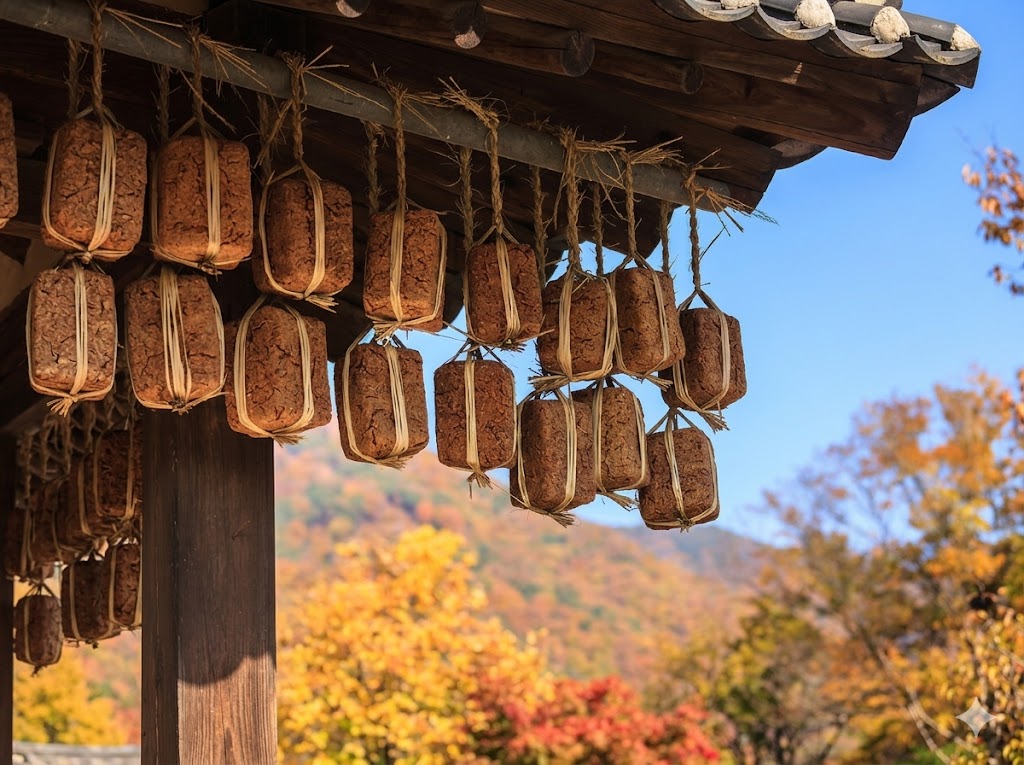
메주 — 겨울 처마 밑에서 야생 발효가 시작됩니다
The process starts with meju — a brick of cooked, compressed soybeans left to grow wild mold through the winter cold. Then it goes into a jangdok, a clay earthenware pot, submerged in brine. Over months, it splits in two: the liquid becomes ganjang, the solids become doenjang. Same pot. Same process. Two completely different lives. Gochujang, ssamjang, and makjang each take a different turn from there — adding chili and grain, blending the two, or skipping the liquid separation entirely.
시작은 메주입니다. 삶은 콩을 뭉쳐 겨울 찬 공기에 말리면 야생 곰팡이가 핍니다. 이걸 소금물에 담가 장독에 넣어두면 몇 달 후 두 가지가 나옵니다. 액체가 간장, 건더기가 된장. 같은 항아리에서, 같은 과정으로, 전혀 다른 두 맛이 탄생합니다. 고추장은 거기에 고추와 곡물을 더하고, 쌈장은 된장과 고추장을 섞고, 막장은 처음부터 분리 없이 바로 담급니다.
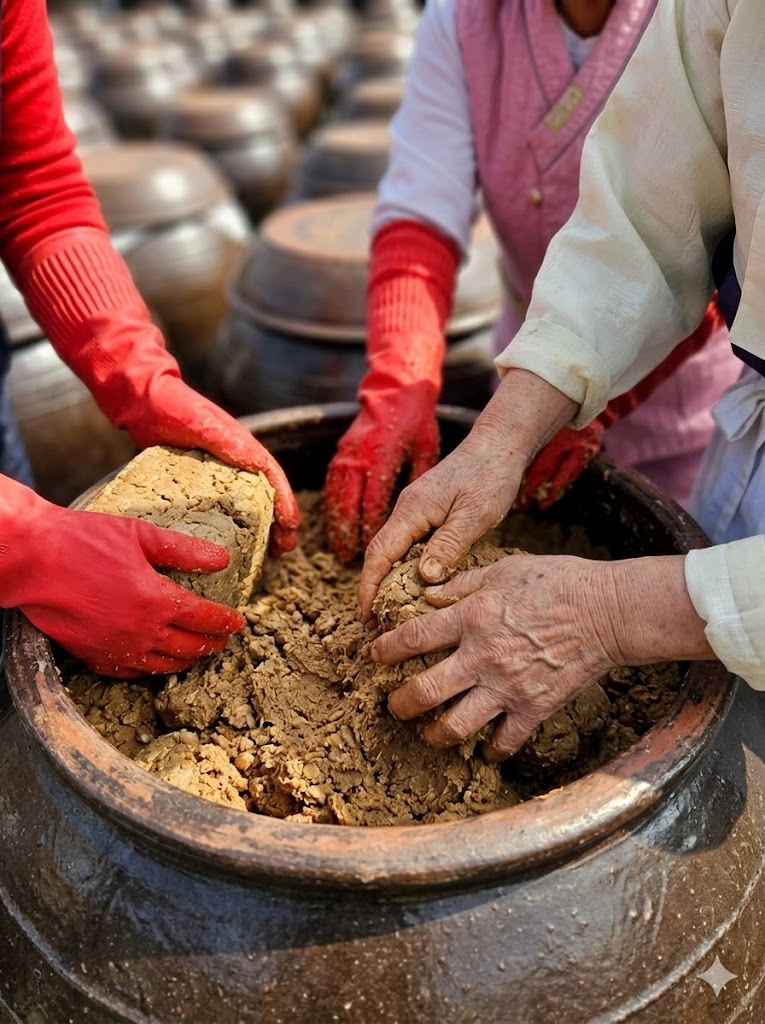
"No factory can replicate it. No recipe can capture it. That's why your grandmother's doenjang doesn't taste like anyone else's."
Here's what makes Korean jang unlike any other fermented food: it's wild. Japanese miso uses a carefully cultivated mold injected under controlled conditions. Korean meju is simply hung in open air and left to be colonized by whatever bacteria and molds naturally exist in that region, that family's courtyard, that specific set of clay pots. The result is that every family's jang carries a unique microbial fingerprint — one that has been evolving in those earthenware vessels for generations.
일본 미소는 특정 코지균을 주입해 통제된 환경에서 발효합니다. 한국 메주는 그냥 공기 중에 겁니다. 그 집 마당의 공기, 그 동네의 계절, 수십 년 묵은 항아리 안에 살아온 미생물이 알아서 붙습니다. 그래서 옆집 된장과 우리 집 된장이 다릅니다. 유네스코가 레시피가 아니라 문화로 등재한 이유가 여기 있습니다.
In December 2024, UNESCO added Korean jang-making to its Intangible Cultural Heritage list — Korea's 23rd entry. The inscription didn't go to a product or a recipe. It went to the practice: the seasonal timing, the clay pots, the knowledge passed between women across generations without ever being written down.
2024년 12월, 유네스코가 한국의 장 담그기를 인류무형문화유산으로 등재했습니다. 등재된 건 제품도, 레시피도 아닙니다. 계절을 읽는 감각, 항아리를 고르는 눈, 문자 없이 대대로 전해진 여성들의 지식 — 그 실천 자체가 등재됐습니다.
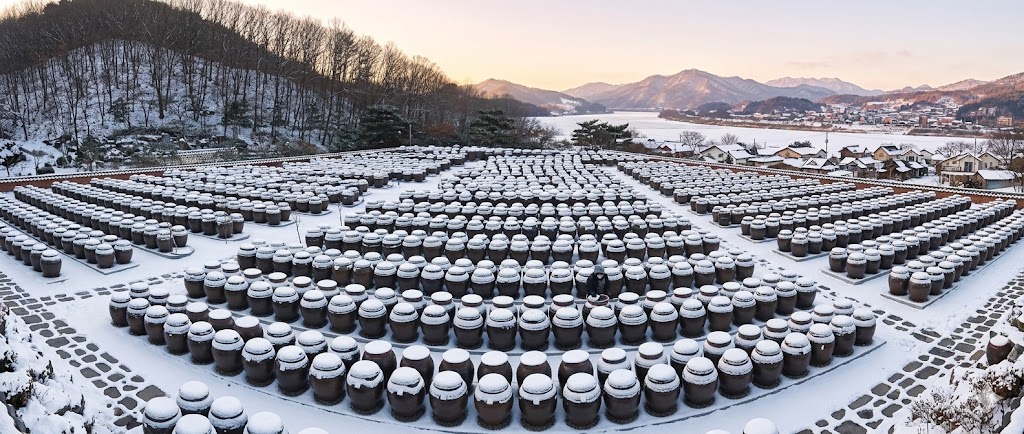
장독대 — 항아리가 지평선처럼 늘어선 순창 민속마을
One meju brick. Five completely different outcomes. Here's what separates them.
메주 한 덩어리에서 다섯 갈래로 나뉩니다.
| 이름 | 기반 | 맛 | 대표 쓰임 |
|---|---|---|---|
| 된장 Doenjang大豆醬 · 콩 발효 페이스트 | 메주 + 소금물 → 건더기 | 짜고 깊은 흙내, 강한 우마미 | 된장찌개, 쌈장 베이스, 나물 무침 |
| 간장 Ganjang艮醬 · 조선간장 | 메주 + 소금물 → 액체 | 짜고 깊으며 약한 단맛 | 국 간, 나물 간, 조림 전반 |
| 고추장 Gochujang苦椒醬 · 고추 발효 페이스트 | 메줏가루 + 고춧가루 + 찹쌀 | 매콤하고 달며 깊은 우마미 | 비빔밥, 떡볶이, 양념 베이스 |
| 쌈장 Ssamjang包醬 · 싸는 장 | 된장 + 고추장 + 마늘 + 참기름 | 짭짤하고 매콤하며 고소함 | 삼겹살 쌈, 채소 디핑, 비빔 베이스 |
| 막장 Makjang막된장 · 분리 없이 담근 장 | 메주 + 보리 + 고춧가루 → 비분리 | 투박하고 거칠며 강렬한 맛 | 쌈, 찌개, 된장 대용 |
One Brick, Five Lives
Doenjang and ganjang come from the exact same pot. The liquid rises to become soy sauce; the solids become soybean paste. From there, gochujang adds chili and grain, ssamjang blends the two, and makjang skips the separation entirely.
된장과 간장은 같은 항아리에서 나옵니다. 액체가 간장, 건더기가 된장. 고추장은 고추와 곡물을 더하고, 쌈장은 섞고, 막장은 처음부터 분리 없이 담급니다.
The Geography of Jang
Sunchang (North Jeolla) — 77 foggy days a year, the microclimate that grows gochujang's sweetness. Andong (North Gyeongsang) — the aristocratic soy sauce tradition documented in the 1670 cookbook Eumsik dimibang. Jeolla Province — doenjang fermented together with glutinous rice and vegetables. Each region has a different answer to the same question.
순창(전북) — 연간 안개일 77일, 고추장 단맛의 근원. 안동(경북) — 1670년 《음식디미방》에 기록된 양반 간장 전통. 전라도 — 찹쌀과 채소를 함께 넣는 된장. 지역마다 다른 장, 지역마다 다른 집 맛.
The Bean Matters
Standard doenjang uses baektae — plain yellow soybeans. Switch to seoritae (black-skinned, green-fleshed) and the flavour shifts: more protein (43.1g/100g — highest of all Korean beans), higher natural sugars, a deeper roasted nuttiness. The choice of bean is part of the secret every family keeps.
전통 된장의 기본은 백태(노란콩). 서리태(검은 껍질, 초록 속)를 쓰면 달라집니다. 단백질이 콩 중 최고(100g당 43.1g)에 당도까지 높아 훨씬 고소하고 깊어집니다. 어떤 콩을 쓰느냐가 된장 맛의 절반입니다.
UNESCO Said So — 2024
Korean jang-making was inscribed on UNESCO's Intangible Cultural Heritage list in December 2024 — Korea's 23rd entry. Not a product. Not a recipe. The inscription recognises the seasonal practice, the clay vessels, and the knowledge passed between women across generations without ever being written down.
2024년 12월 유네스코 인류무형문화유산 등재. 한국의 23번째. 제품도 레시피도 아닙니다. 계절을 읽는 감각, 항아리를 고르는 눈, 문자 없이 전해진 여성들의 지식이 등재됐습니다.
The same meju process, the same earthenware pot — but a different bean changes everything about the final flavour.
같은 메주 과정, 같은 항아리. 그런데 콩이 달라지면 된장의 맛이 근본적으로 달라집니다.
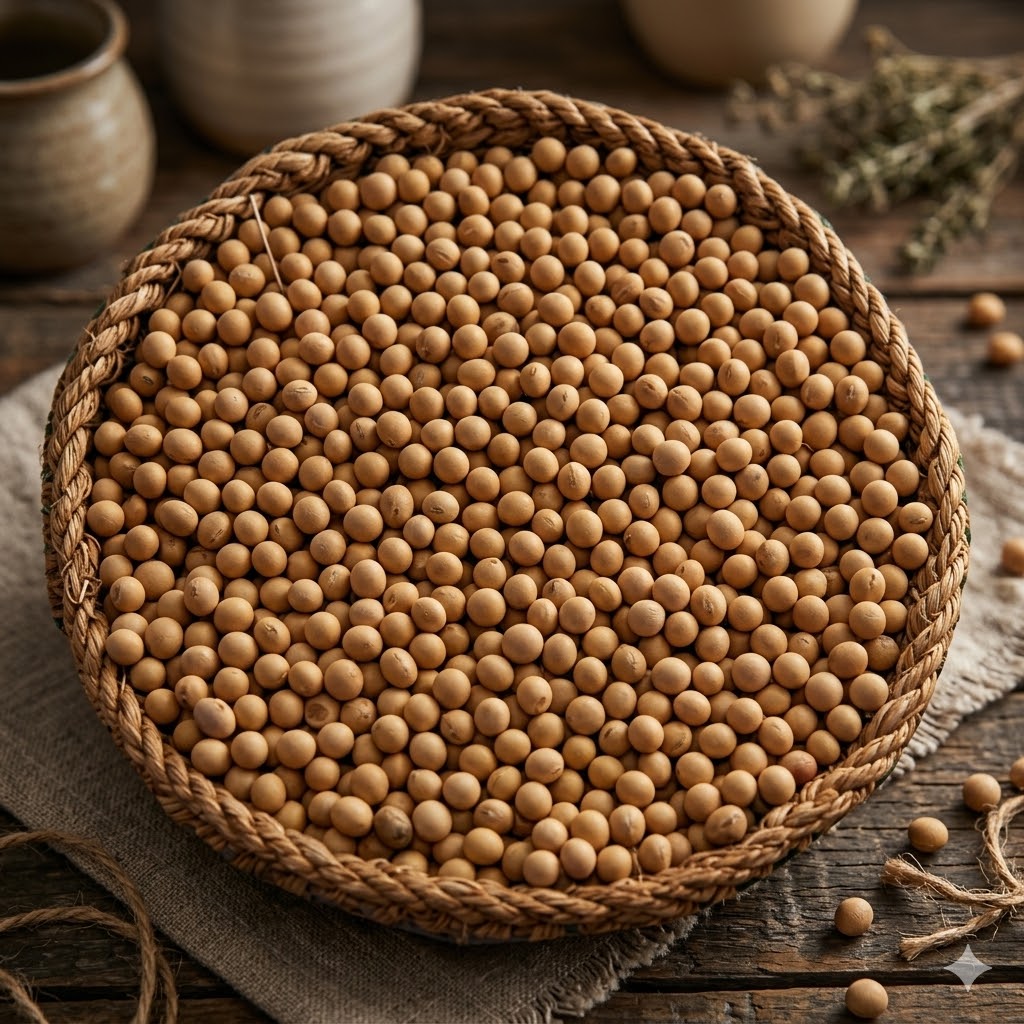
Baektae · 백태
노란콩 · 장류의 기본
Clean, balanced doenjang. The standard. Most widely used. Reliably savory with a classic earthiness.
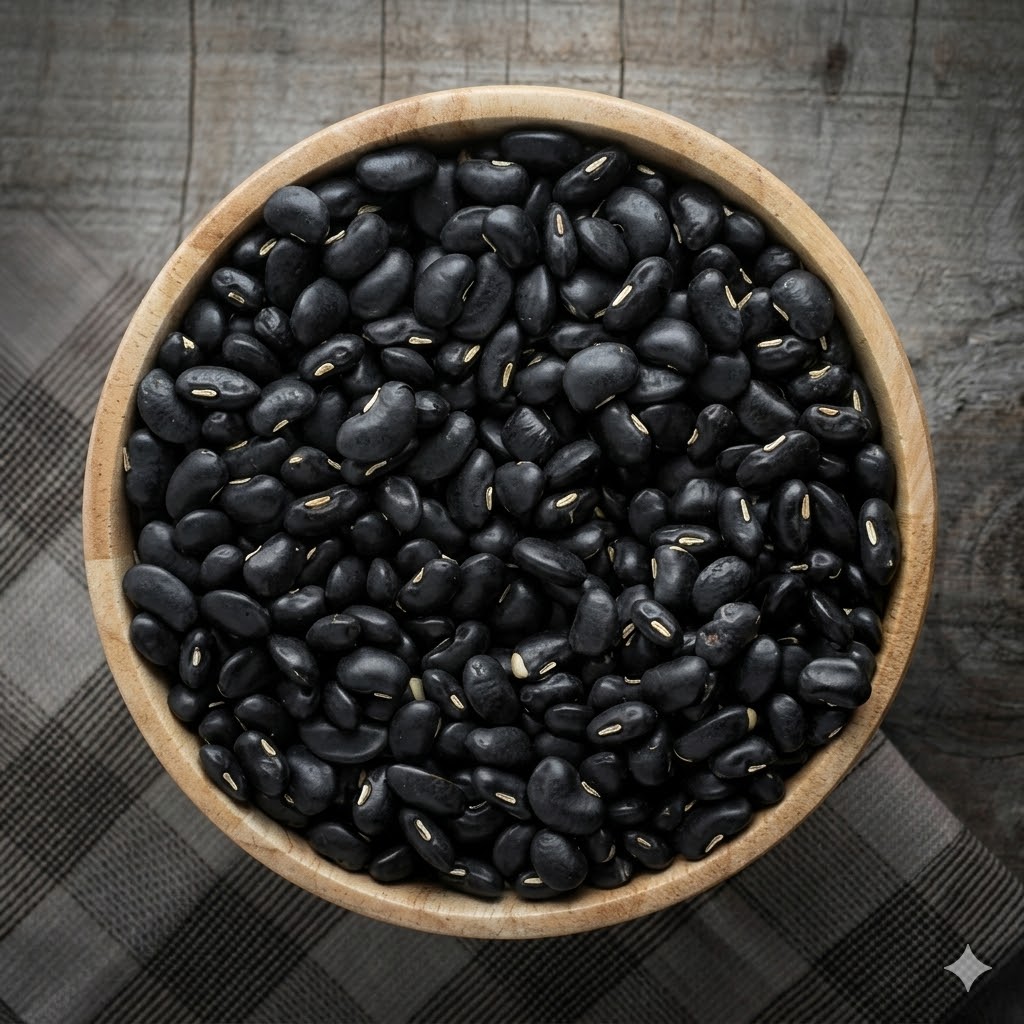
Seoritae · 서리태
검은콩 (속청) · 단백질 최고
Highest protein of all Korean beans (43.1g/100g). Higher natural sugars = deeper, roasted nuttiness in the finished paste.
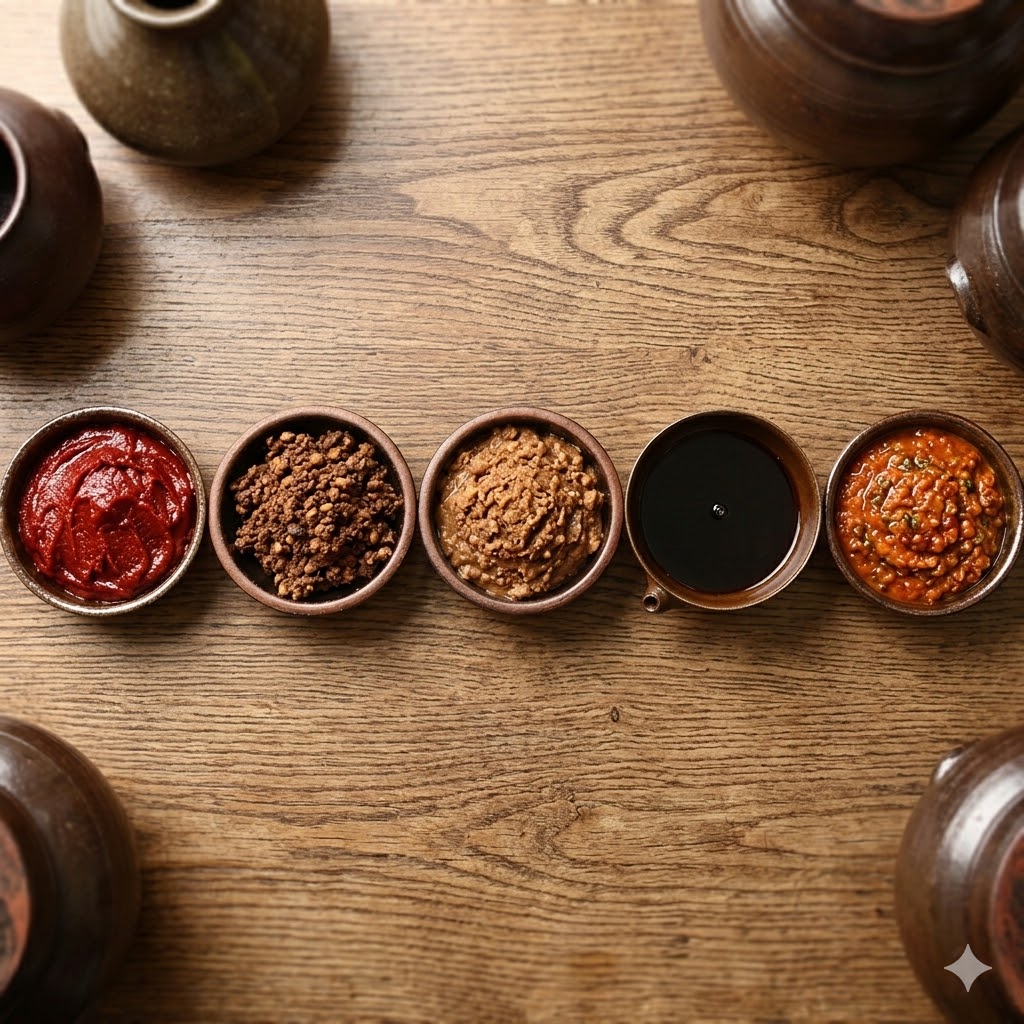
Five Jangs · 다섯 가지 장
하나의 메주 → 다섯 갈래
From the same fermented soybean brick, five entirely different flavour worlds. One starting point. Endless outcomes.
Korean jang is not just fermented food. It is wild fermented food — and the difference matters more than most people realise.
한국 장은 발효식품이 아닙니다. 정확히는 야생 발효식품입니다. 그 차이가 생각보다 훨씬 큽니다.
| 발효식품 | 나라 | 주요 균 | 발효 방식 |
|---|---|---|---|
| 된장 | 한국 | Bacillus subtilis + 야생 Aspergillus + 야생효모 + 유산균 | 자연발효 — 지역 공기·항아리 미생물이 자연 정착 |
| 미소 | 일본 | 배양 Aspergillus oryzae (코지균) | 균주 주입 후 통제 발효 → 균일한 맛 |
| 낫토 | 일본 | Bacillus subtilis (단일 균) | 단일 균주 접종 |
| 요거트 | 서양 | L. bulgaricus + S. thermophilus | 유제품 기반 유산균 발효 |
| 김치 | 한국 | L. plantarum, L. brevis | 채소 기반 자연발효 |
Studies show that doenjang's wild microbial diversity produces bioactive peptides with anti-inflammatory, anti-cancer, and blood-pressure-lowering (ACE-inhibitory) effects that single-strain ferments cannot match. The fermentation also converts isoflavones into their aglycone form — far more bioavailable than the original. Which is to say: the science is catching up to what Korean grandmothers already knew.
연구에 따르면, 된장의 야생 균총은 항염·항암·혈압 강하 효과를 가진 생리활성 펩타이드를 만들어냅니다. 단일 균주 발효식품이 따라올 수 없는 수준입니다. 이소플라본도 아글리콘 형태로 전환되어 흡수율이 훨씬 높아집니다. 과학이 할머니 지식을 뒤늦게 따라잡고 있는 중입니다.
순창 고추장 민속마을
Sunchang Gochujang Folk Village
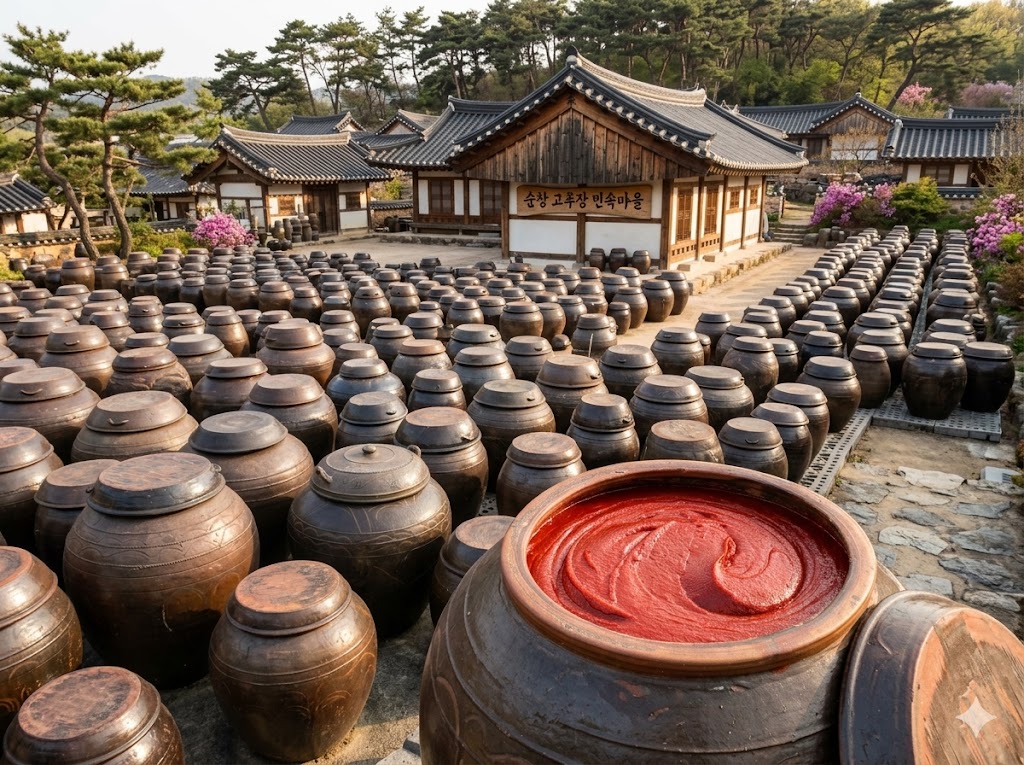
전북 순창군 · Sunchang, North Jeolla Province
100+ artisan makers in one village, each with their own recipe handed down for generations. The annual Gochujang Festival runs every October. You can taste directly from the jar and watch the full fermentation process. Korea Food Grand Master Kang Sun-ok is based here. Go in autumn — when the new batch goes in and the old one comes out.
장인 100여 명이 한 마을에 모여 각자의 레시피로 고추장을 담급니다. 매년 10월 고추장 축제. 항아리에서 바로 맛볼 수 있고, 대한민국식품명인 강순옥 명인의 장도 여기 있습니다. 가을에 가야 합니다.
영어 안내 가능
안동제비원전통식품
Andong Jebiwon
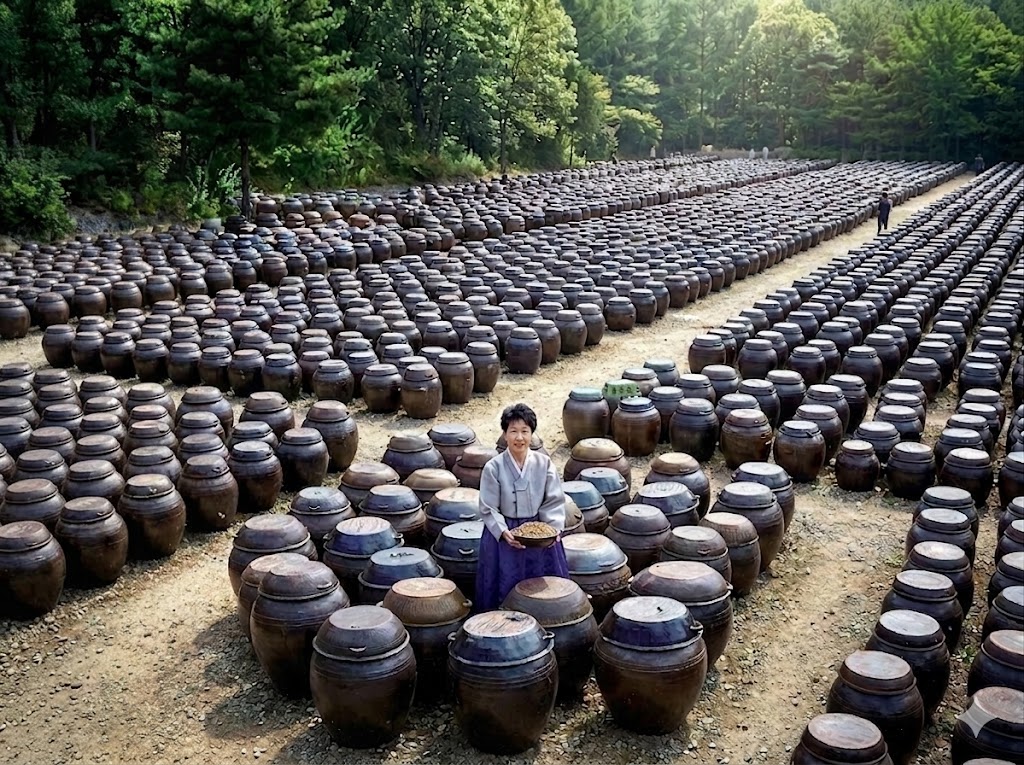
경북 안동 · Andong, North Gyeongsang Province
Four generations of traditional ganjang. Over 2,000 clay jars aging quietly in the Andong air. The oldest have been fermenting for decades. This is the soy sauce that Joseon aristocracy put on their tables — and what Lady Andong Jang documented in her 1670 cookbook Eumsik dimibang, still the oldest extant Korean cookbook written by a woman.
4대째 전통 간장을 잇는 곳. 마당에 2,000개 넘는 항아리가 숨을 쉽니다. 정부인 안동 장씨가 1670년에 쓴 《음식디미방》 — 현존하는 가장 오래된 여성 저술 요리서 — 에 기록된 바로 그 간장입니다.
방문 전 연락 권장
밍글스 Mingles
Michelin ★★★ · Seoul's Only Three-Star
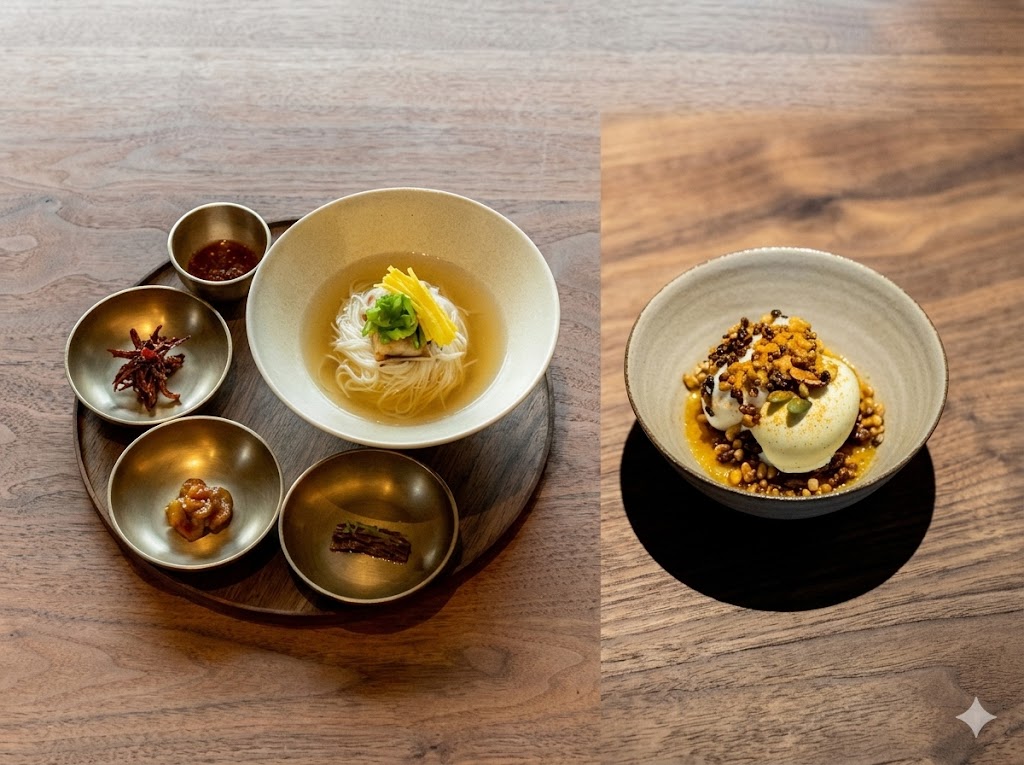
서울 강남구 논현로 · Gangnam, Seoul
Seoul's only three-Michelin-star restaurant — and the whole menu revolves around jang. Chef Mingoo Kang makes his own ganjang, doenjang, and gochujang in-house. There's even a jang dessert trio. Reservations open months in advance and fill within hours. The definitive fine-dining argument for why jang belongs at the world's table.
서울 유일 미슐랭 3스타. 메뉴 전체가 장을 중심으로 구성돼 있습니다. 셰프 강민구는 간장·된장·고추장을 직접 담급니다. 장 디저트 3종도 있습니다. 예약은 수개월 전에 열리고 몇 시간 안에 마감됩니다.
예약 필수 · 영어 메뉴 ✔
K-Harmony 장 테이스팅 체험
K-Harmony Jang Tasting Studio
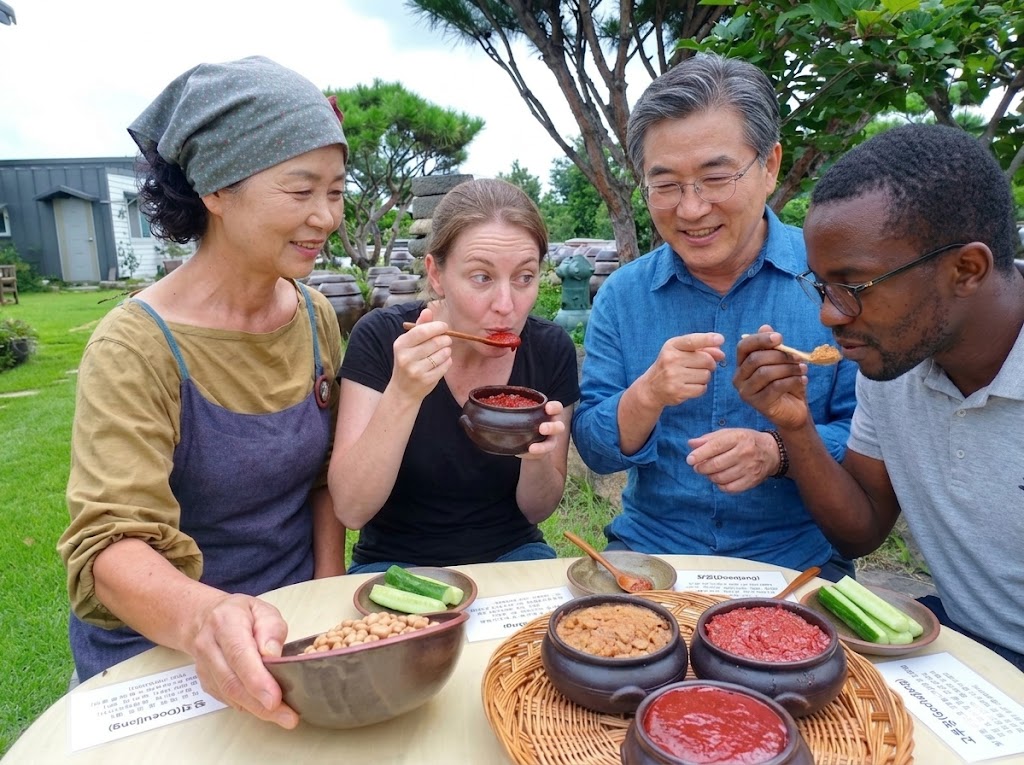
서울 이태원 · Itaewon, Seoul
A hands-on tasting studio built for people who want to understand what they're eating before they eat it. Five jang varieties, guided by aroma, texture and historical context, with a short cooking session included. Run entirely in English. The best first stop before heading anywhere else on this list.
다섯 가지 장을 향·질감·맛 순서로 문화 해설과 함께 경험하는 체험 스튜디오입니다. 영어 진행. 장이 처음인 외국인에게 이 리스트의 첫 번째 코스로 추천합니다.
영어 진행 ✔
- Overview — 한국의 장 문화 · The Art of Korean Jang (지금 읽는 중)
- 편 1 → 된장 (Doenjang) — 깊고 거칠고 2,000년coming soon
- 편 2 → 간장 (Ganjang) — 같은 항아리, 다른 운명coming soon
- 편 3 → 고추장 (Gochujang) — 순창이 만든 매운맛의 과학coming soon
- 편 4 → 쌈장 (Ssamjang) — 삼겹살을 완성하는 한 숟갈coming soon
- 편 5 → 막장 (Makjang) — 레시피 없이 담그는 장coming soon