팥 — 여름엔 빙수, 겨울엔 죽
Red Bean, Two Seasons
v1 · Original · 팥 시리즈
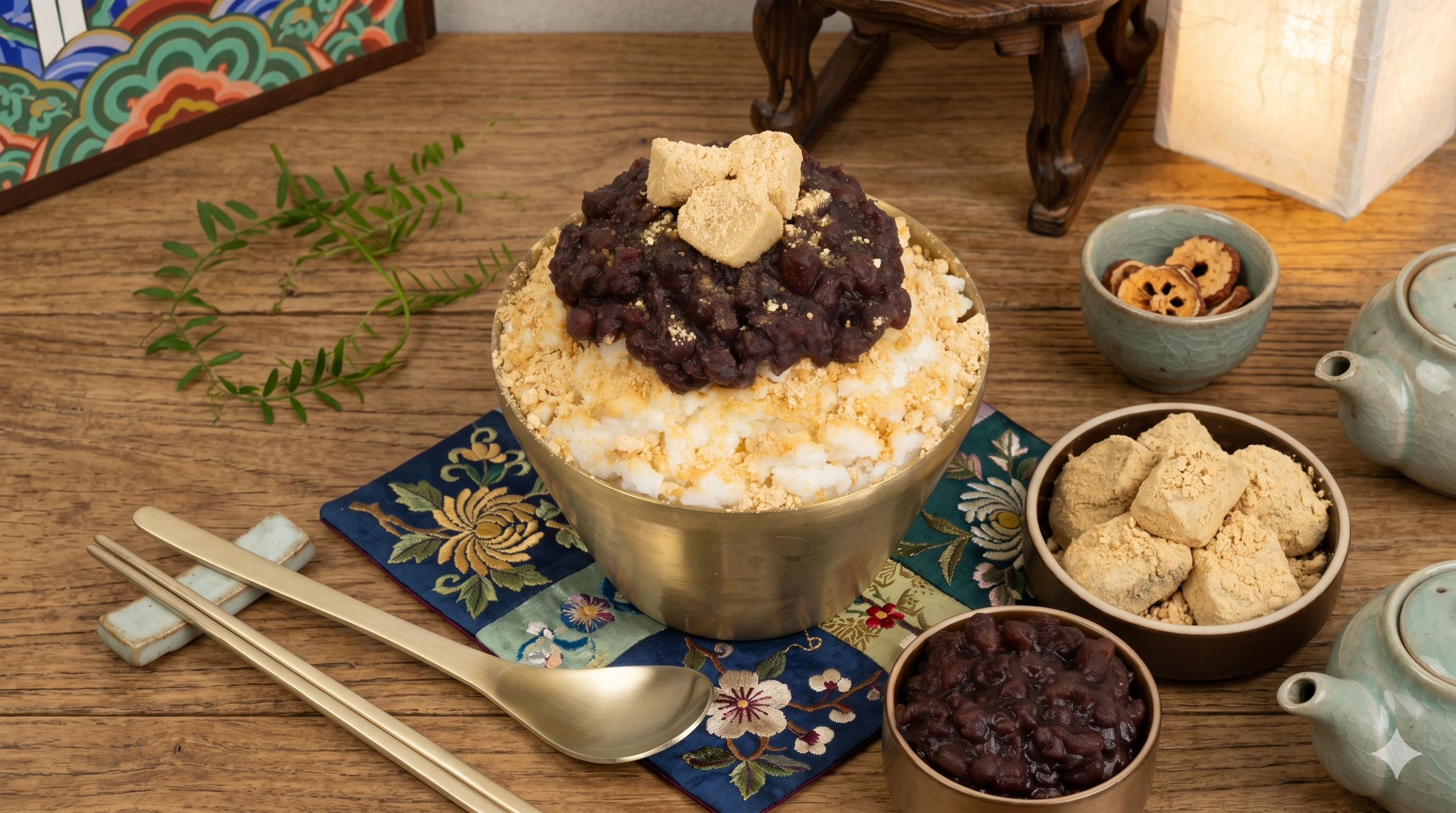
Photo: 팥빙수 전체샷 · 우유빙수 위에 올라간 정통 팥빙수
In summer, it goes on shaved ice. In winter, it simmers hot on the stove. Same ingredient, two completely different reasons to eat it.
여름엔 얼음 위에 올라가고, 겨울엔 뜨겁게 끓여 먹습니다. 같은 재료입니다. — 팥(Red Bean) 이야기.
팥빙수를 처음 본 외국인 반응은 대부분 비슷하다. 빨간 콩이 얼음 위에 올라가 있다. 달콤한 건지 짭짤한 건지, 이게 디저트가 맞는지조차 헷갈린다. 콩은 서양 식문화에서 디저트 재료가 아니니까.
The first reaction most foreigners have to patbingsu goes something like: red beans on ice? That's... dessert? In most Western food cultures, beans live firmly in the savory world — soups, stews, the occasional hummus situation. So the mental category clash is real.
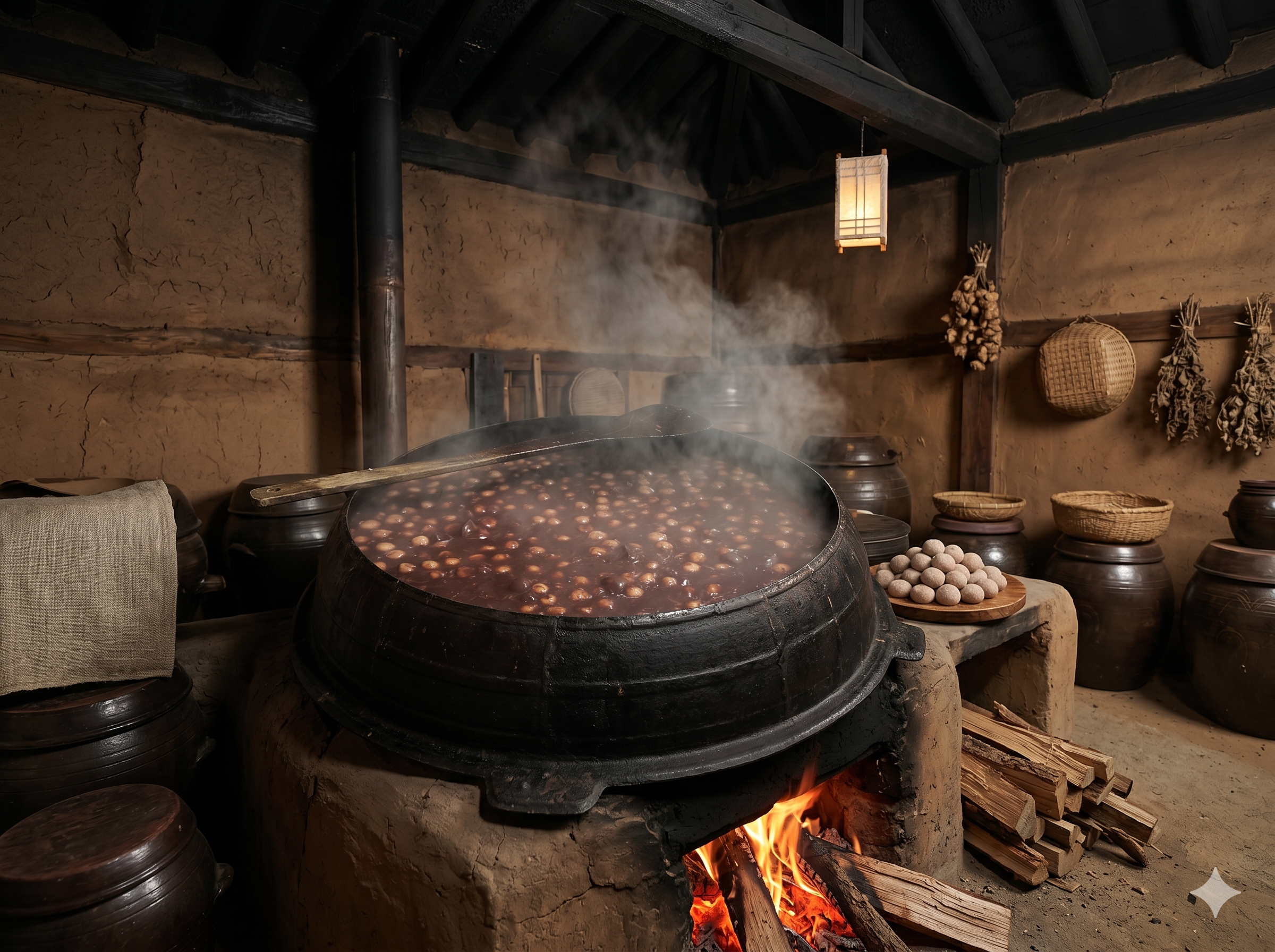
Photo: 팥끓이기 · 붉은 팥물이 끓어오르는 냄비
팥이 한국에서 지금의 자리를 차지한 건 달아서가 아니다. 원래는 귀신을 쫓는 재료였다. 동지, 1년 중 밤이 가장 긴 날. 그날 집 안팎에 팥죽을 뿌렸다. 붉은색이 나쁜 기운을 막는다고 믿었다.
귀신 쫓는 의식이 겨울 디저트가 됐고, 여름 빙수 위에 올라가기까지는 꽤 오랜 시간이 걸렸다.
Red beans didn't get to this position in Korean food culture because they're sweet. They got here because they were once used to chase away evil spirits. On the winter solstice — the year's longest night — Koreans would boil red beans and splash the broth around their homes. The red color, the belief went, scared off bad energies.
An exorcism ritual became a seasonal comfort food became a summer dessert topping. That's quite a journey.
현재의 팥 · Red Bean Today
"팥은 계절을 알리는 재료다."
The ingredient that tells you which season it is.
지금 팥빙수는 한국 여름을 상징하는 디저트다. 더위가 최고조에 달할 때 한국인이 찾는 두 가지 — 삼계탕과 팥빙수. 겨울엔 단팥죽으로 돌아온다. 새알심이 떠 있는 붉은 죽 한 그릇. 카페 창가에서 혼자 먹기에 딱 맞는 크기. 한국인에게 팥은 계절을 알리는 재료다.
그리고 팥빙수는 지금 진화 중이다. 빙수 전문 카페들이 하나둘 생기면서 '비주얼 전쟁'이 시작됐다. 눈처럼 부드럽게 간 우유 얼음, 그 위에 올린 인절미 떡, 콩가루, 생크림, 제철 과일. K-드라마 속 주인공들이 여름마다 빙수를 먹는 장면 하나가 외국인들의 여행 버킷리스트에 팥빙수를 올려놨다. 귀신 쫓는 죽이 인스타그램 핫플레이스가 되기까지, 팥은 언제나 거기 있었다.
Today, patbingsu is basically the Korean summer. Then winter comes, and the same red bean becomes danpatjuk: a warm, thick porridge with soft rice dumplings floating on top. One ingredient. Two seasons. One very good reason to visit Korea in both.
The ingredient is also reinventing itself. Specialty bingsu cafés have turned the dish into a visual competition — finely shaved milk ice layered with injeolmi rice cake, roasted soybean powder, fresh seasonal fruit, soft-serve swirls. K-drama scenes of characters cooling off with a bowl in summer became travel-list fuel for visitors who'd never tasted red bean in their lives. From exorcism ritual to Instagram destination: the bean's range is frankly impressive.
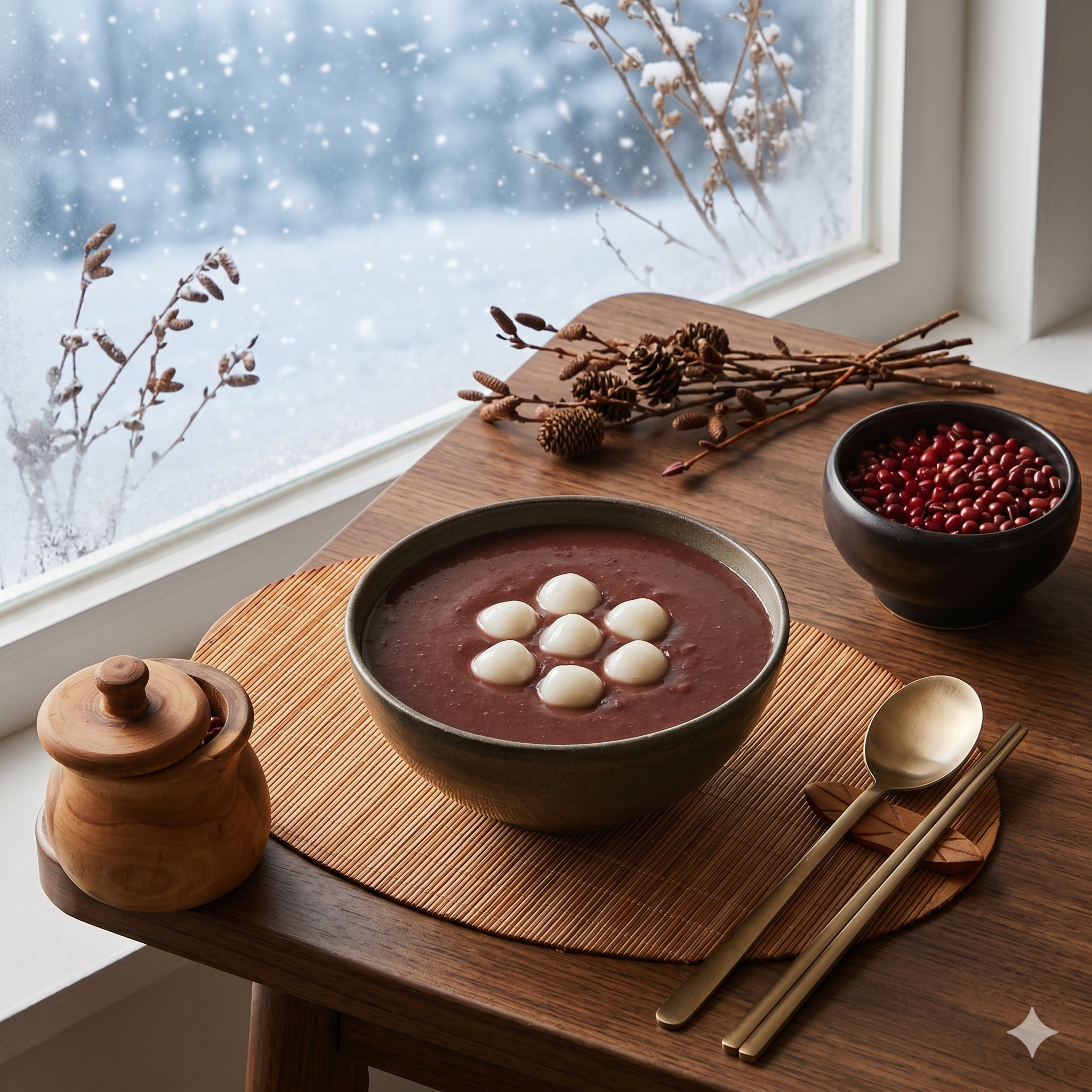
Photo: 겨울카페단팥죽 · 조용한 카페 창가의 단팥죽
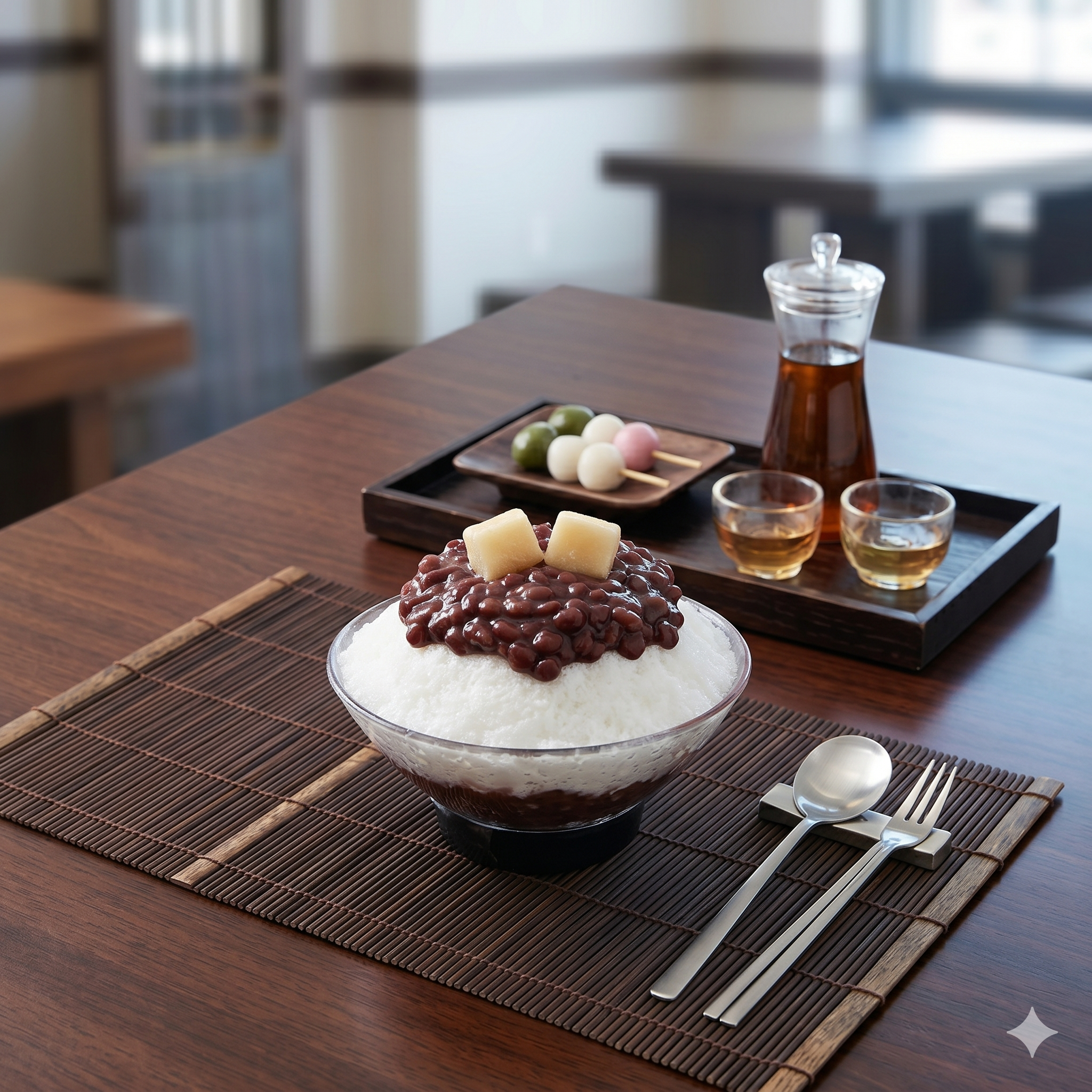 Classic
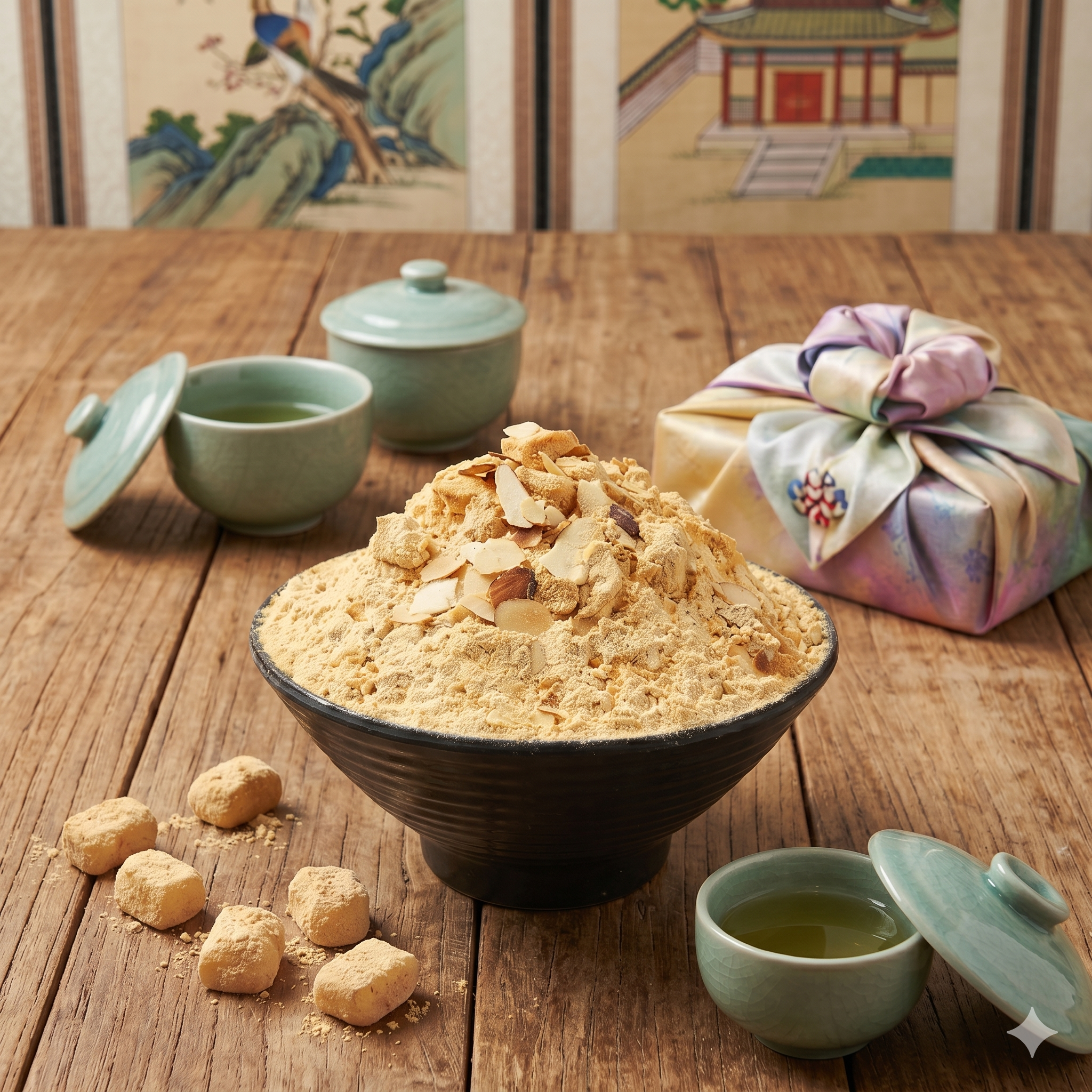 Injeolmi
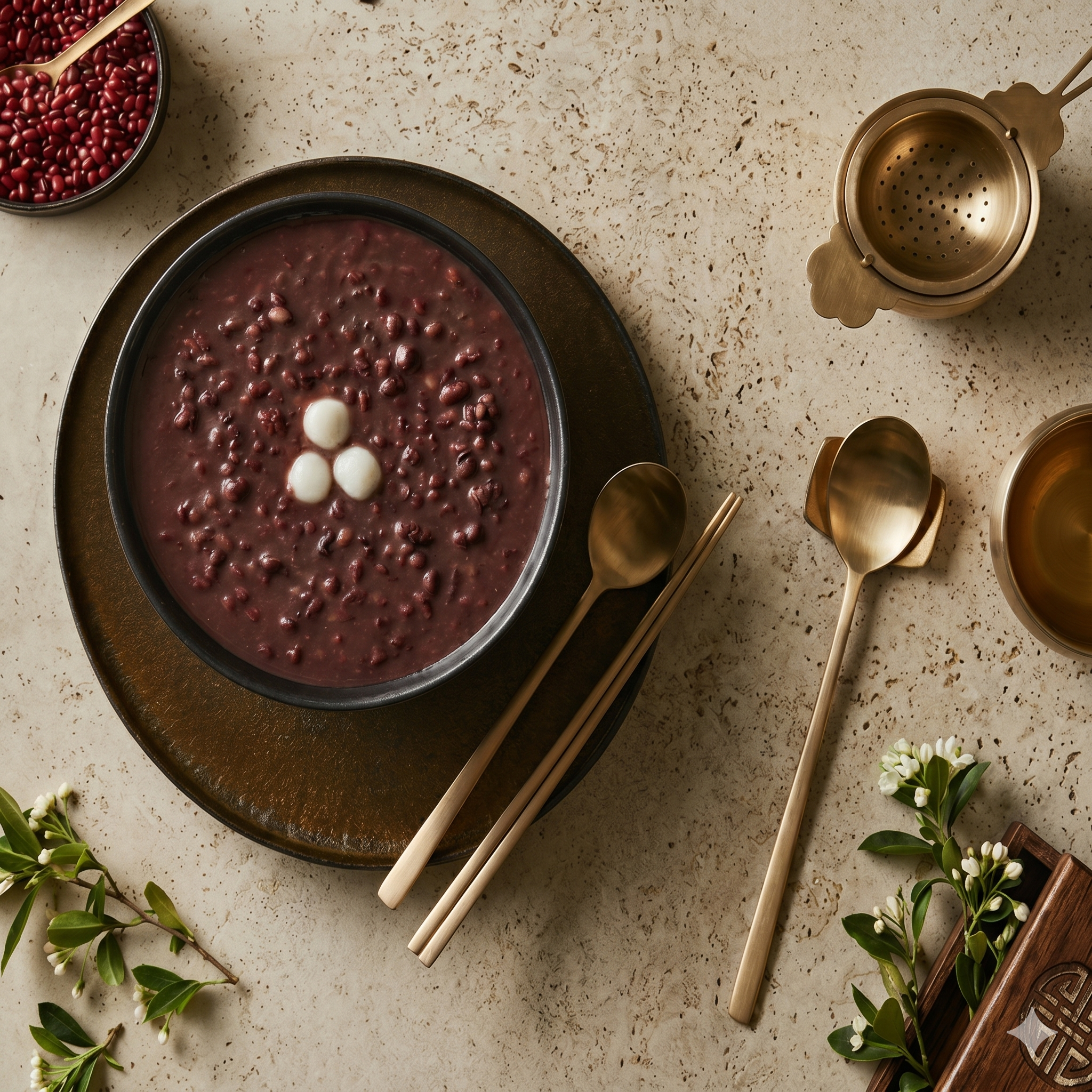 Danpatjuk
팥빙수 · 인절미빙수 · 단팥죽 — 같은 팥, 세 가지 얼굴
The red color came first. Before red bean became a flavor, it was a ritual tool — spread around homes on the winter solstice to ward off bad spirits. Some Korean households still bring red bean rice cakes to housewarming parties for exactly the same reason.
팥의 붉은색은 처음부터 맛이 아니라 의식의 언어였다. 동지에 팥죽을 집 안팎에 뿌린 건 귀신이 빨간색을 싫어한다는 믿음 때문. 지금도 집들이 때 팥시루떡을 나눠주는 집이 있다.
Calling patbingsu "shaved ice" is the lazy translation. Proper patbingsu uses frozen milk — so the texture is creamier, denser, and melts differently on your tongue. It's the difference between a slushie and a gelato.
팥빙수를 shaved ice라고 부르면 팥빙수를 모욕하는 거다. 제대로 만든 팥빙수는 우유를 얼려서 간다. 일반 얼음보다 부드럽고, 입에 넣었을 때 녹는 속도가 완전히 다르다.
On the winter solstice, you ate one bowl of red bean porridge to officially turn one year older. Children would count the rice dumplings in their bowl — you were supposed to eat as many as your age. A ritual, a birthday, and a math lesson in one.
동지에 팥죽 한 그릇을 먹으면 나이 한 살을 더 먹는다는 말이 있었다. 아이들이 새알심 숫자를 세던 건 그 때문이다. 자기 나이만큼 새알심을 넣어 먹는 풍습이었다.
Red beans carry natural sweetness without added sugar. That sweetness works over shaved ice in summer and as depth in a slow-cooked porridge in winter. It's not that Koreans found two uses for the same ingredient — the ingredient was always suited for both.
설탕을 더하지 않아도 팥에는 자연 단맛이 있다. 여름엔 그 단맛이 빙수를 완성하고, 겨울엔 천천히 끓인 죽의 깊이를 만든다. 같은 재료인데 계절마다 완전히 다른 음식이 된다.
여름 팥빙수
Where to go when the heat wins
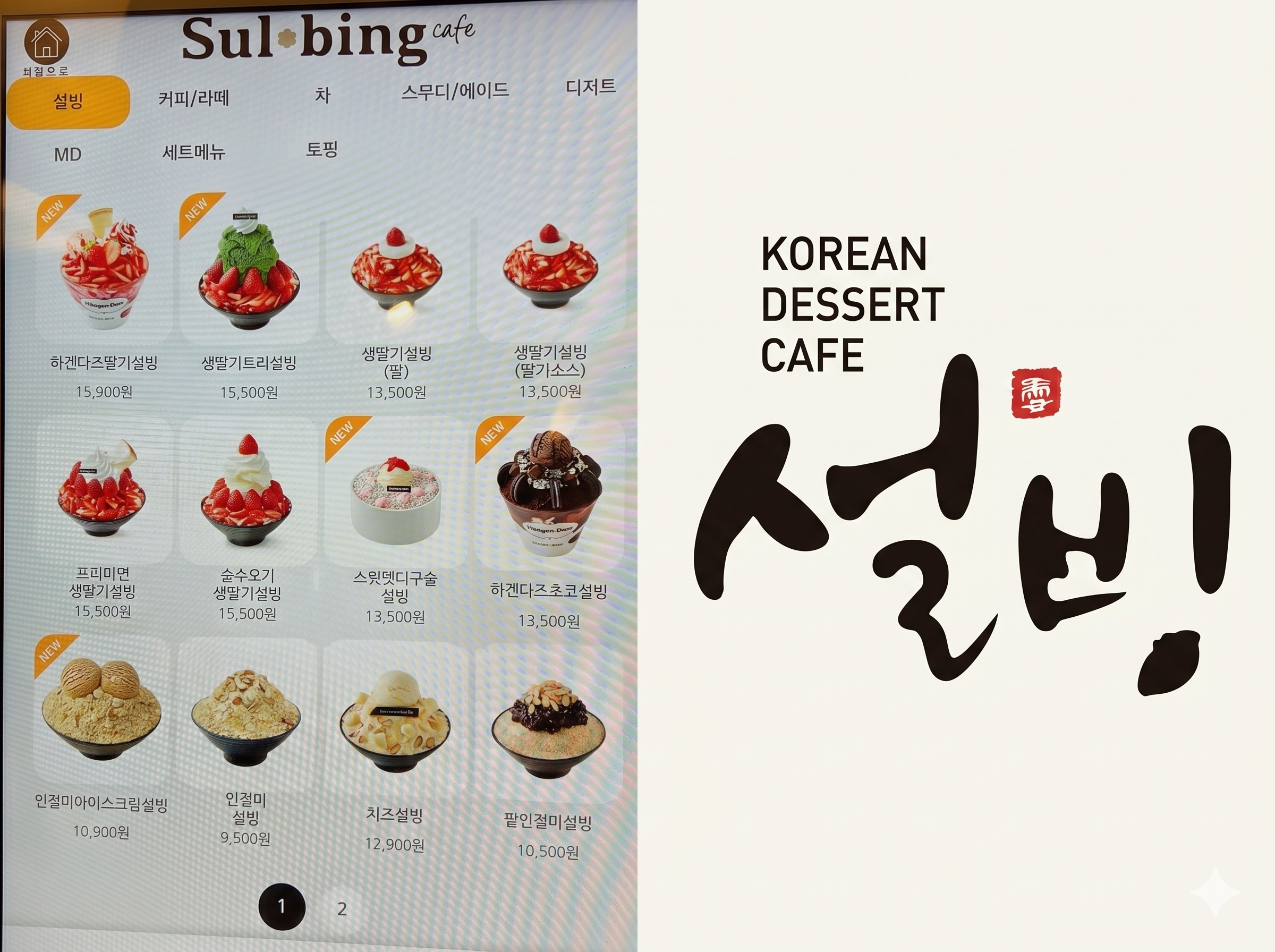
☀ Summer Pick 01
설빙
Sulbing · 전국 체인
트렌디한 한국식 빙수의 기준점. 전국 어디서나 있고, 메뉴는 영어로 주문 가능. 인절미빙수가 특히 유명하다.
The benchmark for modern Korean bingsu. Injeolmi bingsu — covered in soybean powder — is the one to order.
₩ 4,500~
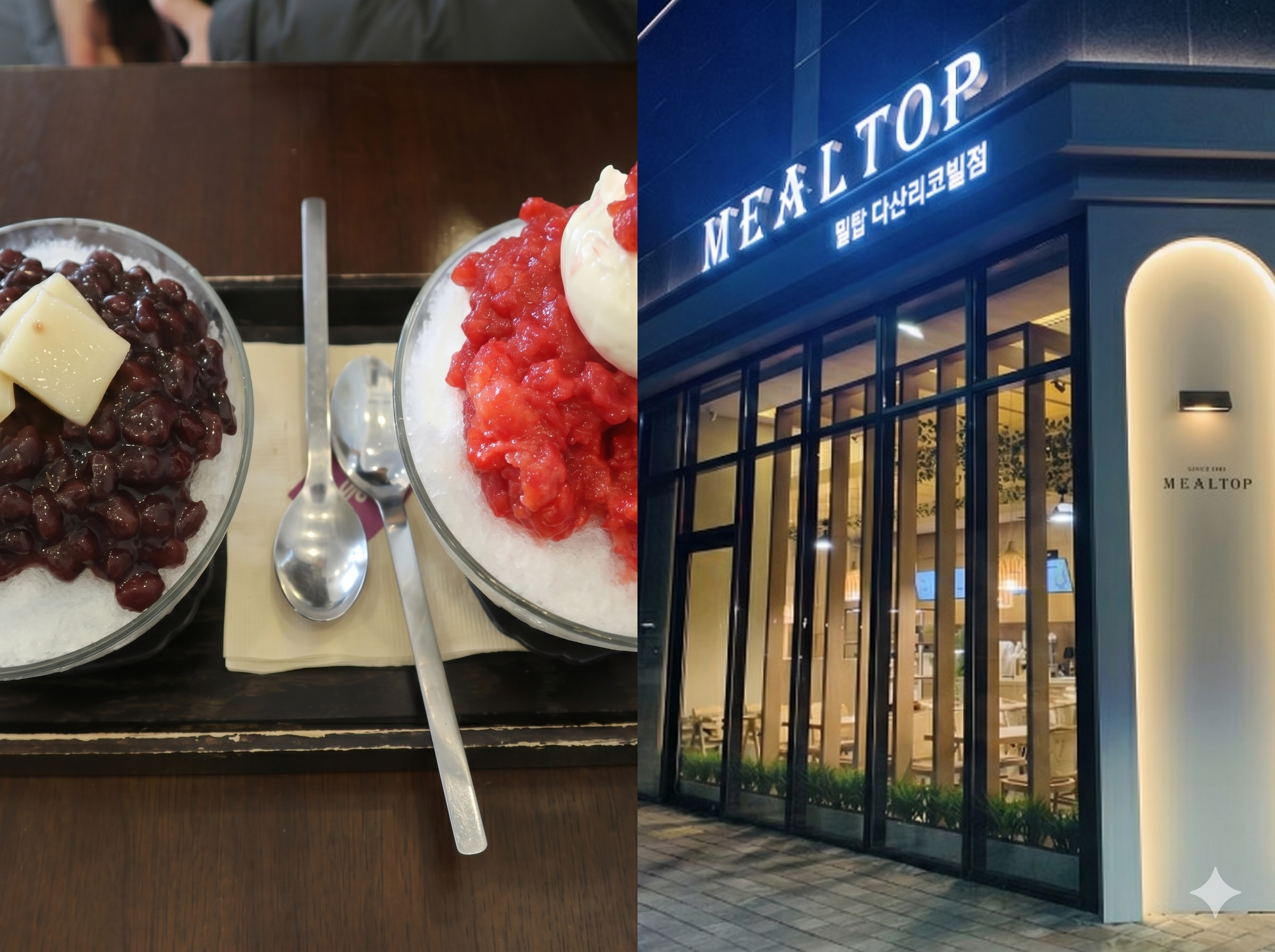
☀ Summer Pick 02
밀탑
Miltop · 종로구 관훈동
1957년부터 한 자리. 팥이 정직하게 많고, 우유빙수가 부드럽다. 관광지 한가운데 있지만 현지인도 많이 찾는다.
Open since 1957. No frills, no gimmicks — just a serious amount of red beans on very good milk ice.
₩ 4,000~
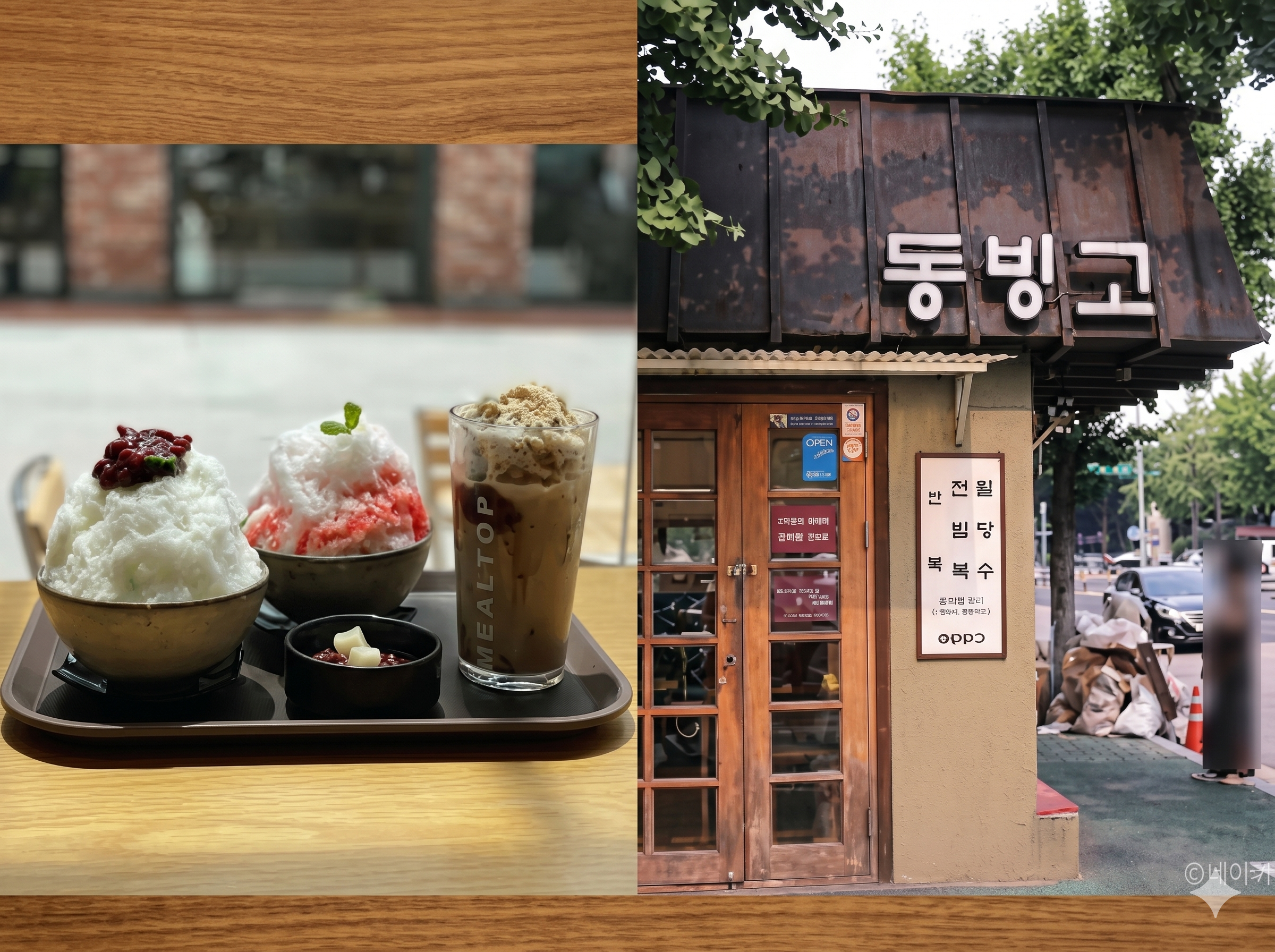
☀ Summer Pick 03 · Local Favourite
동빙고
Dongbinggo · 중구 다동
현지인이 더 많이 아는 곳. 직접 만든 팥앙금을 올려주는 정통 스타일. 여름 성수기엔 웨이팅이 있다.
More locals than tourists. House-made red bean paste, traditional style. Expect a wait in peak summer.
₩ 5,000~
겨울 단팥죽
When the same bean warms you up
겨울이 되면 카페, 한식 디저트 카페, 백화점 푸드코트, 편의점까지 어디서든 메뉴에 오른다. 단팥죽은 특정 식당이 아니라 한국 겨울이라는 계절 자체에서 파는 음식이다.
한식 디저트 카페
서울 전역. 팥물부터 직접 끓인다는 곳이 점점 늘고 있다. 새알심이 제대로 들어가고, 그릇도 예쁘다. 겨울 한정 메뉴로 운영하는 경우가 많다. Artisan cafes making the broth from scratch. New ones keep opening every winter.
설빙 외 카페 체인
겨울 시즌 한정. 메뉴판에 단팥죽이 올라오면 그게 한국의 겨울 시작 신호다. Seasonal indicator: when the chains add danpatjuk to the menu, winter has officially arrived.
광장시장 노점 · 서울 종로
어묵국물 옆에 나란히 있다. 서 있는 채로 먹는 것도 여기선 분위기다. Gwangjang Market, Jongno — standing room only, served in paper cups, absolutely no atmosphere issues.
편의점 — CU, GS25
컵 단팥죽. 새알심은 없지만 따뜻하고 달다. 겨울 심야 필수품. Cup danpatjuk. No rice dumplings, but warm and sweet — the 3am winter companion.
Pronunciation Guide · 발음 가이드
Share It · 해시태그
팥 시리즈 · Red Bean Series
Next up → 약과 (Yakgwa) — the cookie that went viral overseas but Koreans have eaten for 1,000 years. 🍪