약과
Yakgwa — The Honey Cookie That Got Banned
왕이 금지했던 과자 · 지금은 뉴욕타임스에 실린 · Banned by Kings. Featured in the NYT.
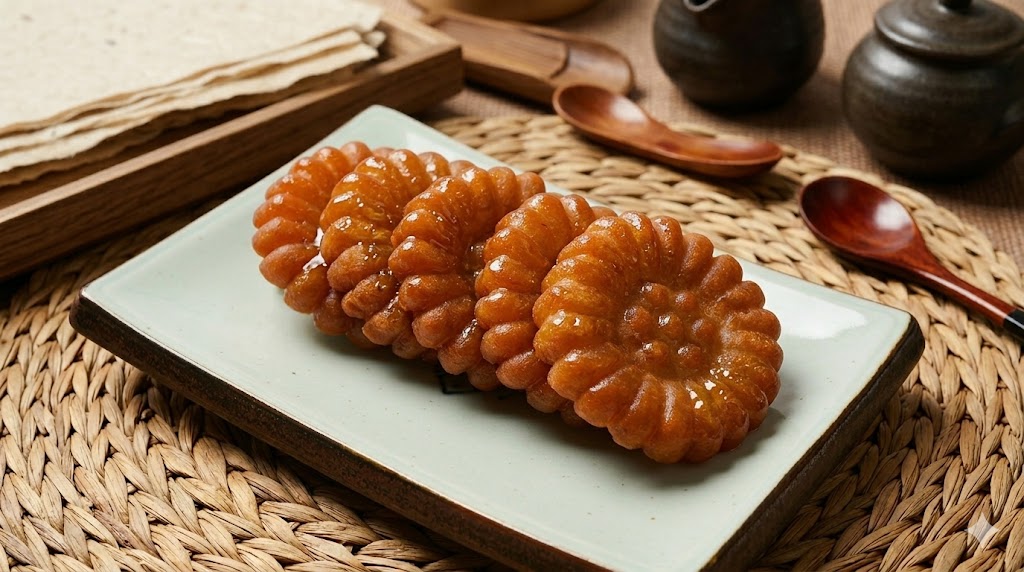
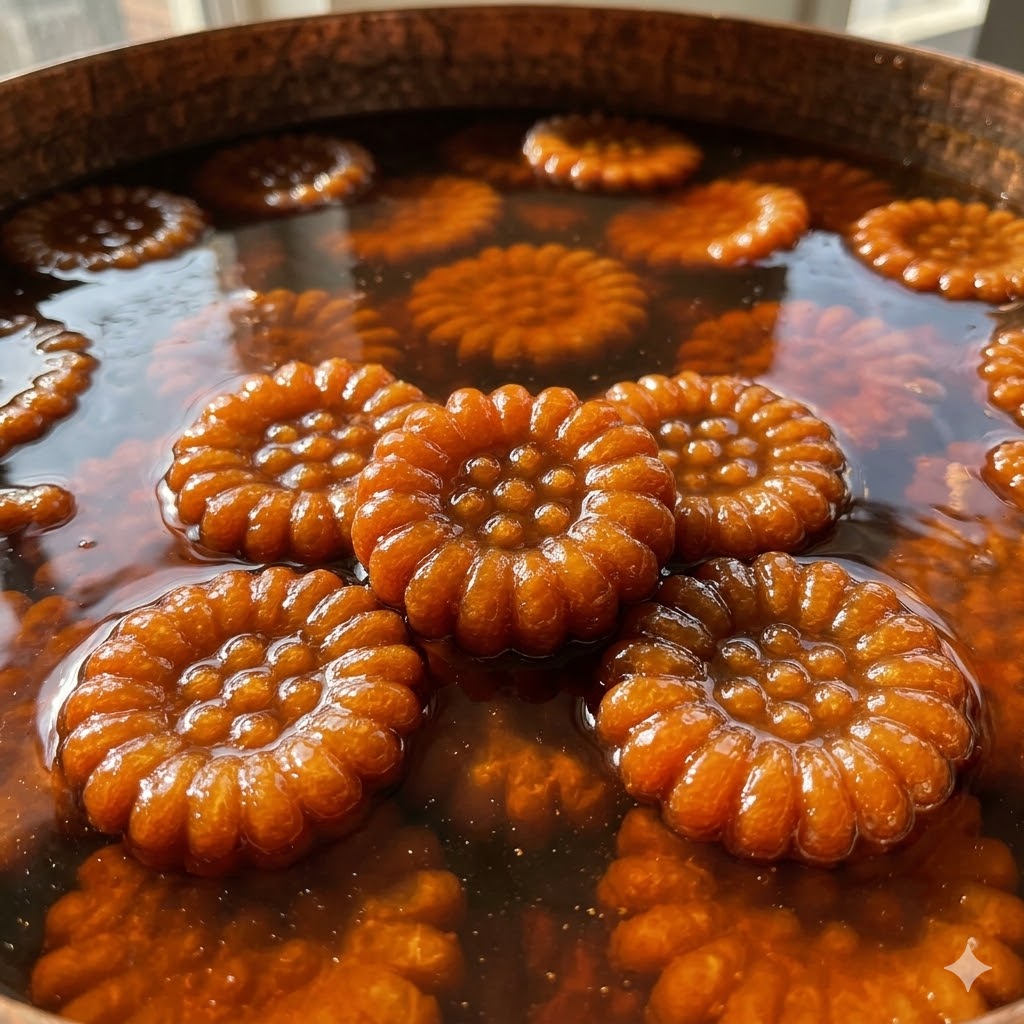
Photo: K-Food Stories · 꿀 시럽에 재운 전통 약과 — 천 년의 레시피
"It was so good, the king banned it. Centuries later, it ended up in The New York Times." — Yakgwa.
너무 맛있어서 왕이 금지령을 내렸습니다. 그 과자가 지금 뉴욕타임스에 실렸습니다. — 약과(Yakgwa) 이야기.
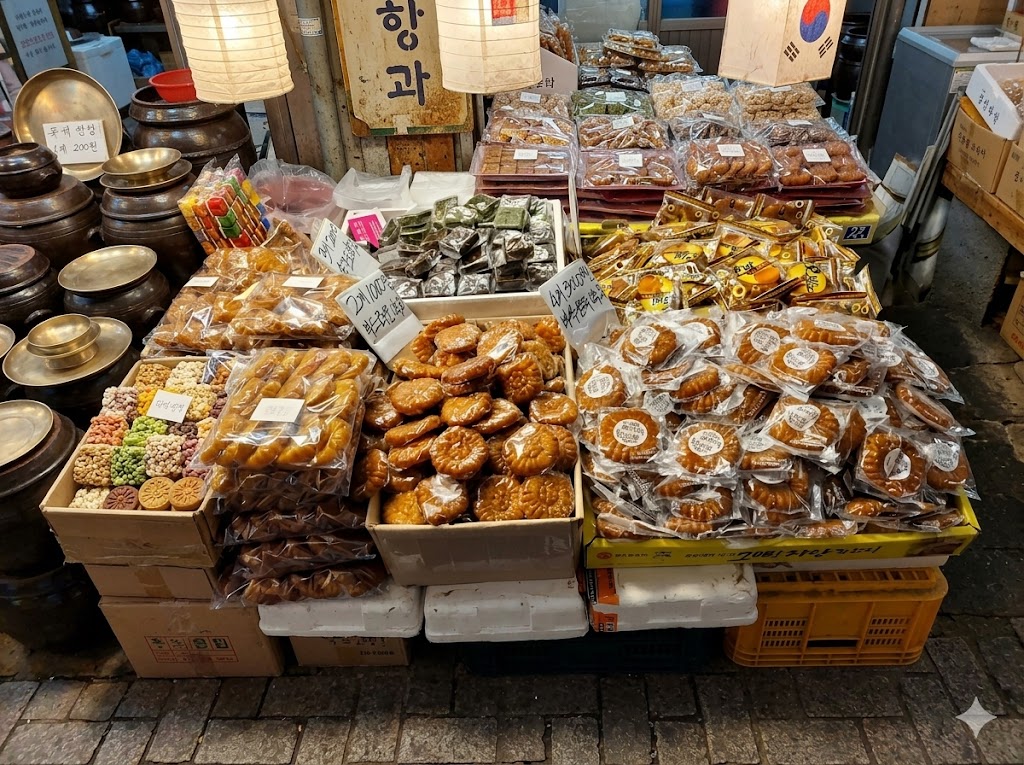
광장시장 한과 진열 · Traditional confectionery stall, Gwangjang Market
Most people have a version of this: yakgwa on the table, something clicks — oh, that's the thing from the ancestral ceremony. The sweet, dense, vaguely sticky cookie that lived on ritual trays at your grandmother's house. Old-fashioned. For elders. Easily ignored.
Here's what actually happened: yakgwa became so popular during the Goryeo dynasty (918–1392) that it caused nationwide shortages of flour, honey, and sesame oil. Not one but two kings — King Myeongjong and King Gongminwang — had to issue formal bans on making it. The government outlawed a cookie. That's how good it was.
The name tells the story. 약 (藥, medicine) + 과 (菓, confection) = something medicinal enough to eat. In Goryeo, where Buddhism was the state religion and meat was off the ritual table, yakgwa filled the gap. Honey, sesame oil, wheat flour, rice wine, ginger — five ingredients the court already considered therapeutic. It ended up on royal wedding tables, ancestral rites, harvest festivals. The most prestigious confection in Korean history, twice prohibited, because demand simply outstripped the supply of its own ingredients.
약과를 처음 봤을 때 반응은 대개 비슷하다. "아, 할머니 제삿상에 있던 그거." 제사 끝나고 몰래 집어 먹던, 어른들이 먹는 거라고 생각했던 그 과자. 촌스럽고, 달고, 나이 든 음식.
근데 사실 약과는 한국 역사상 금지당한 음식 중에 가장 맛있는 이유로 금지된 음식이다. 고려시대(918~1392), 사람들이 너무 많이 먹는 바람에 밀가루와 꿀과 참기름이 바닥나기 시작했다. 결국 왕이 나섰다. 명종도, 공민왕도 약과 금지령을 내렸다. 먹지 말라고 법으로 막아야 했던 과자. 이게 맛없을 리가 없다.
이름 자체가 정체성이다. 약(藥)+과(菓) — '약이 되는 과자'. 고려 불교 국가에서 제사상에 고기를 올릴 수 없었고, 꿀·참기름·생강·청주로 만든 약과가 그 자리를 채웠다. 왕의 혼례, 제사, 추석, 환갑잔치. 가장 귀한 자리에 항상 있었다.
Most people have a version of this: yakgwa on the table, something clicks — oh, that's the thing from the ancestral ceremony. The sweet, dense, vaguely sticky cookie that lived on ritual trays at your grandmother's house. Old-fashioned. For elders. Easily ignored.
Here's what actually happened: yakgwa became so popular during the Goryeo dynasty (918–1392) that it caused nationwide shortages of flour, honey, and sesame oil. Not one but two kings — King Myeongjong and King Gongminwang — had to issue formal bans on making it. The government outlawed a cookie. That's how good it was.
약과를 처음 봤을 때 반응은 대개 비슷하다. "아, 할머니 제삿상에 있던 그거." 제사 끝나고 몰래 집어 먹던, 어른들이 먹는 거라고 생각했던 그 과자. 촌스럽고, 달고, 나이 든 음식.
근데 사실 약과는 한국 역사상 가장 맛있는 이유로 금지된 음식이다. 고려시대(918~1392), 사람들이 너무 많이 먹는 바람에 밀가루와 꿀과 참기름이 바닥났다. 명종도, 공민왕도 금지령을 내렸다. 먹지 말라고 법으로 막아야 했던 과자. 이게 맛없을 리가 없다.
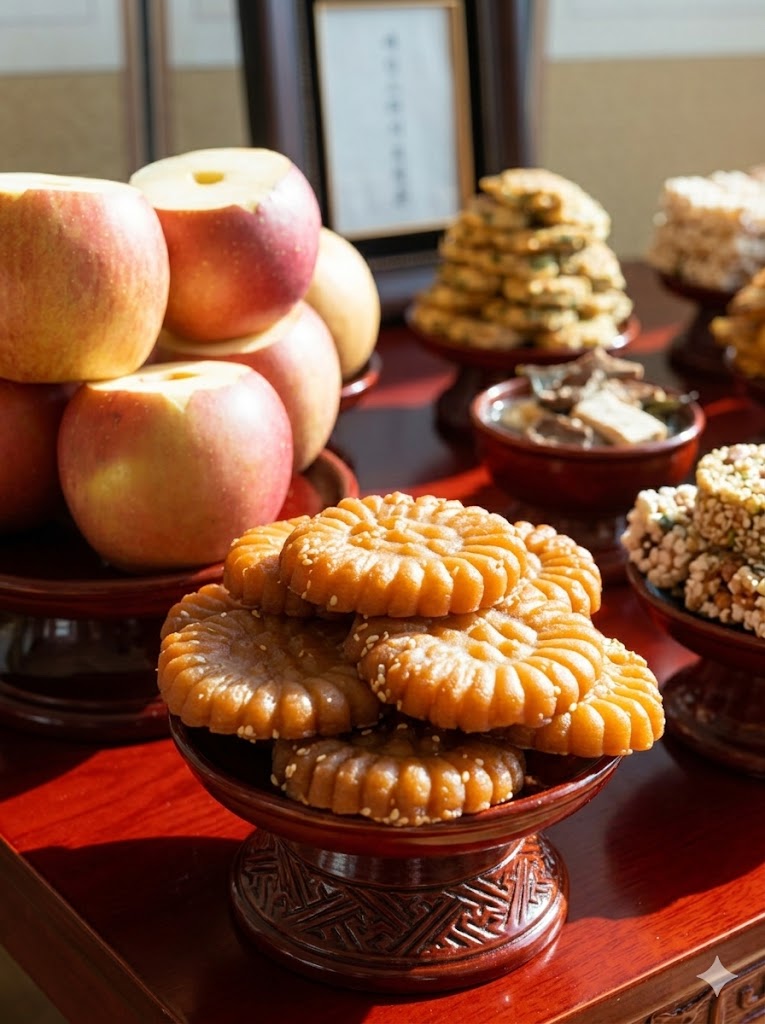
"Banned by kings. Revived by a small shop in Uijeongbu. Now in The New York Times."
Fast-forward to now: the term yakketing (약과 + ticketing) is trending in Korea, describing the frenzy of clicking for online reservations the moment a popular brand drops. It's been featured in the New York Times, turned up in Manhattan cafes and Tokyo pop-ups, and a new generation of Koreans who never thought twice about it are queuing before dawn to get theirs. A thousand-year-old confection just had its biggest decade yet.
지금 약과는 할머니 음식이 아니다. 성수동 팝업 오픈 당일 새벽부터 줄이 늘어선다. '야케팅' — 약과와 티케팅을 합친 신조어. 뉴욕 맨해튼 카페에서, 도쿄 K-푸드 팝업에서 팔리고, 뉴욕타임스 쿠킹 섹션에도 등장했다. 천 년 된 과자가 2020년대에 제일 핫한 디저트가 됐다.
Fast-forward to now: the term yakketing (야케팅) is trending — describing the frenzy of clicking for online reservations the moment a popular yakgwa brand drops. It's been in the New York Times, in Manhattan cafes, in Tokyo pop-ups. A thousand-year-old confection just had its biggest decade yet.
지금 약과는 할머니 음식이 아니다. 팝업 오픈 당일 새벽부터 줄이 늘어선다. '야케팅' — 약과와 티케팅의 합성어. 뉴욕 맨해튼, 도쿄, 뉴욕타임스 쿠킹 섹션. 천 년 된 과자가 2020년대에 제일 핫한 디저트가 됐다.
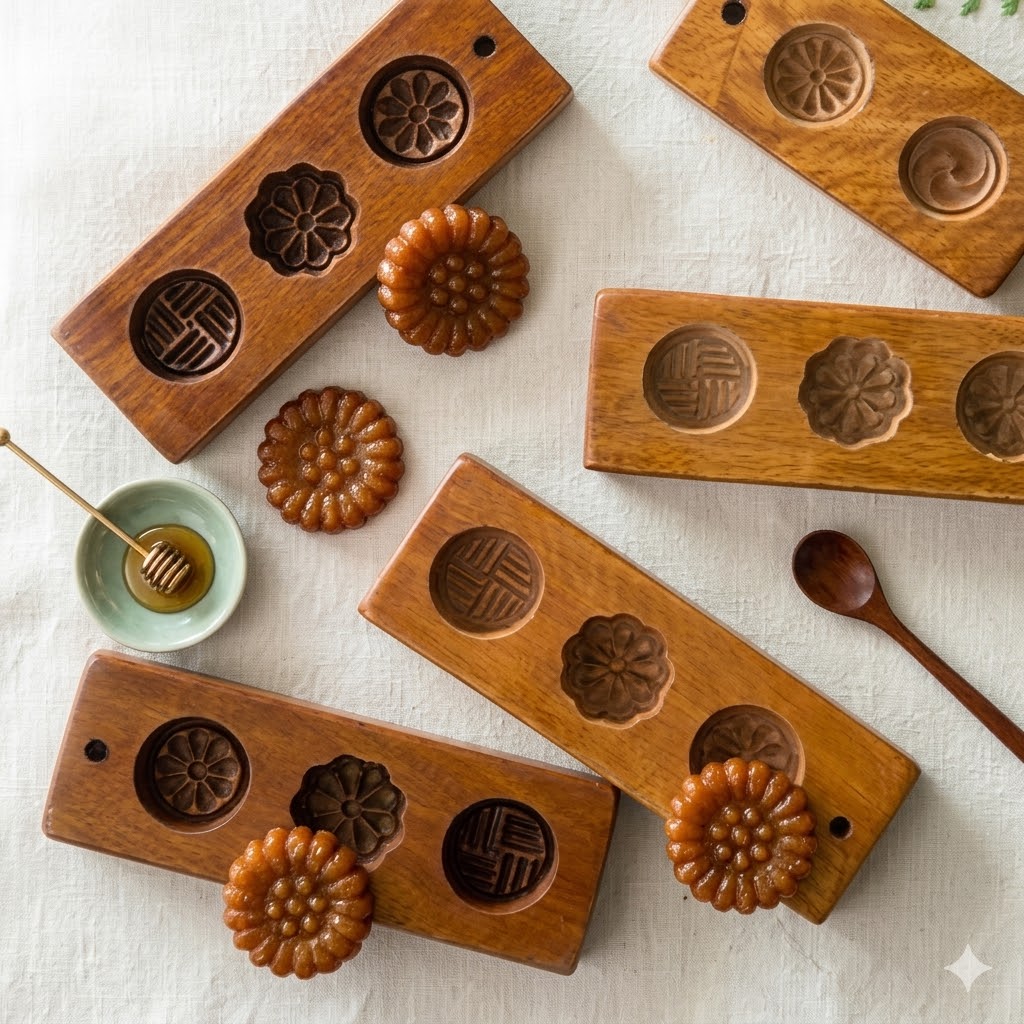 약과틀
약과틀
 꿀 시럽
꿀 시럽
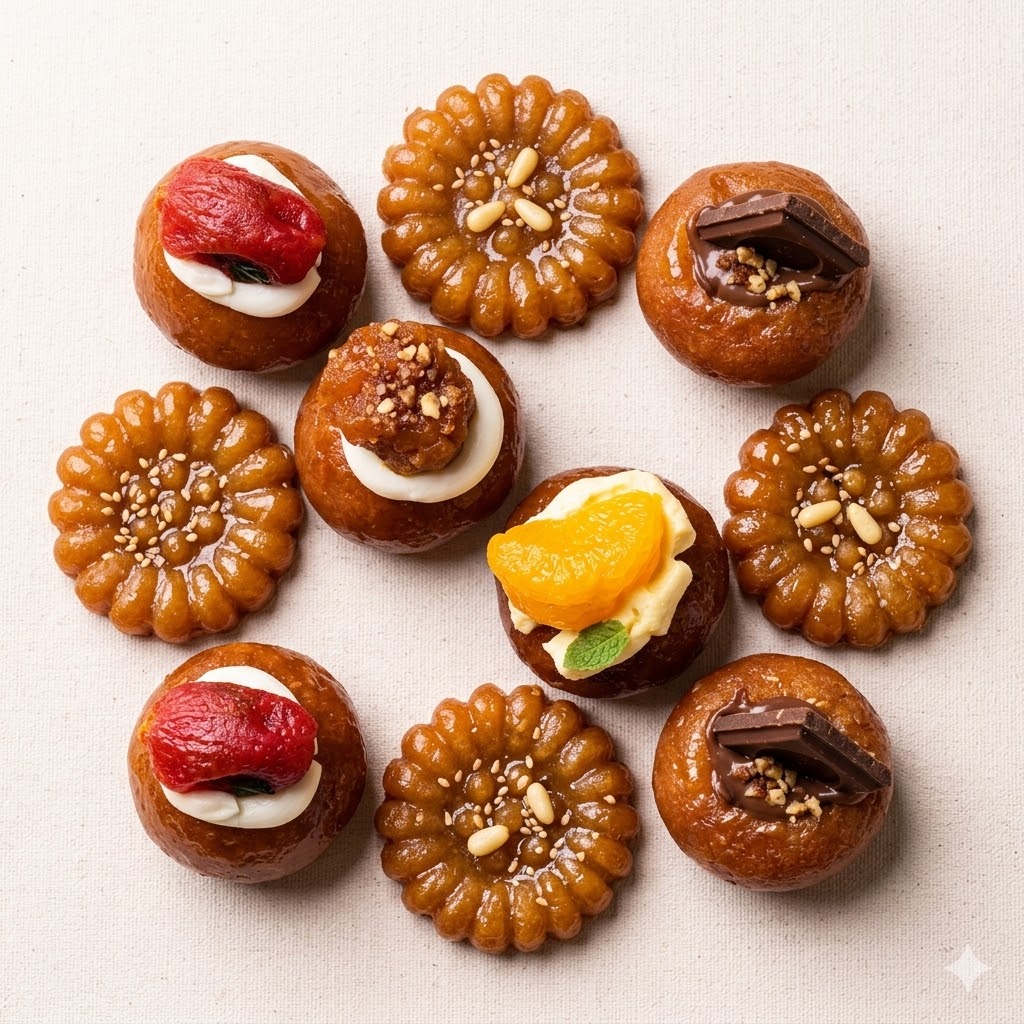 개성주악
개성주악
왼쪽부터: 전통 약과틀 · 꿀 시럽 · 개성주악
The Ban That Proves It's Good
Two Goryeo kings banned yakgwa by royal decree. The reason: demand had outpaced the entire country's supply of flour, honey, and oil. Governments don't outlaw food that no one wants.
고려시대 두 명의 왕이 약과 금지령을 내렸다. 이유는 단 하나 — 수요가 공급을 압도해서. 맛없는 음식에 국가가 나서지는 않는다.
It's Literally Called "Medicine"
약과 (藥菓) = 약 (medicine) + 과 (confection). Honey was considered medicinal in pre-modern Korea, and with ginger, sesame oil, and rice wine in the mix, yakgwa was genuinely treated as something between a dessert and a tonic.
약(藥)+과(菓) — '약이 되는 과자'. 꿀을 약재로 여기던 시대에 붙인 이름. 여기에 생강·참기름·청주까지 들어가니 사실상 먹는 한약재 조합이다.
Yakketing Is Real
Yakketing — yakgwa + ticketing — describes the moment a popular brand's online reservation opens and thousands of people frantically refresh the page, the same way you'd fight for concert tickets. Foreign tourist spending on Korean traditional confections jumped 76.9% year-on-year.
'야케팅'은 약과+티케팅의 합성어. 인기 브랜드의 예약이 열리는 순간, 콘서트 예매하듯 달려든다. 외국인 관광객의 한과 소비량은 전년 대비 76.9% 증가했다. 이건 일시적 유행이 아니다.
The Halmaenial Effect
Halmaenial — "grandmother" + "millennial" — is what Koreans call the wave of young adults rediscovering traditional foods. Yakgwa is the poster child: a ceremonial confection that spent centuries on ancestral rites tables is now the most-saved dessert on Korean Instagram.
'할매니얼'은 할머니+밀레니얼의 합성어. 젊은 세대가 전통 한과를 재발견하는 현상. 약과는 그 중심에 있다. 제사상 음식이 인스타그램에서 제일 많이 저장되는 음식이 됐다.
| 재료 / Ingredient | 대체재 / Substitute |
|---|---|
| 반죽 · Dough | |
| 중력분 200g | All-purpose flour |
| 찹쌀가루 30g | Glutinous rice flour — Asian grocery |
| 계핏가루 4g | Ground cinnamon |
| 소금 5g · 설탕 50g | Salt · Sugar |
| 참기름 60g | Toasted sesame oil — essential, no substitute |
| 청주 40g | Rice wine — sub: dry sherry |
| 시럽 · Syrup | |
| 물엿 or 조청 450g | Rice syrup — sub: light corn syrup 70% + honey 30% |
| 꿀 50g | Honey |
| 물 150g · 생강 슬라이스 | Water · Fresh ginger slices |
| 튀김유 · Frying Oil | |
| 식용유 (충분히) | Vegetable oil — 130°C 저온 유지용 |
-
1
Make the dough. Sift flour, glutinous rice flour, and cinnamon together. Rub in sesame oil with your fingers until it reaches a sandy texture. Dissolve salt and sugar in rice wine, then add gradually — fold rather than knead. Rest in a bag in the fridge for 30 minutes.
반죽하기. 밀가루+찹쌀가루+계핏가루를 체에 내린다. 참기름을 넣고 손으로 비벼 모래 질감을 만든다. 소금+설탕을 녹인 청주를 조금씩 넣으며 치대지 않고 살짝 뭉친다. 비닐백에 넣어 냉장 30분 휴지.
-
2
Shape. Roll dough to 0.7cm thickness. Cut with a yakgwa mold or any flower/diamond cutter. Pierce the back of each piece several times with a toothpick — this is what allows the syrup to absorb properly.
성형하기. 반죽을 0.7cm 두께로 밀고 약과틀 or 꽃 모양 커터로 찍는다. 뒷면에 이쑤시개로 구멍을 여러 개 뚫는다 — 시럽 흡수의 핵심.
-
3
Fry low and slow. Heat oil to 130°C. Add yakgwa — the temperature will drop slightly, keep it at 120–130°C the whole time. When they float, flip. Once golden, raise to 160°C for 30 seconds to finish. Total: 10–15 minutes.
저온 튀기기. 기름을 130°C로 예열한다. 약과를 넣으면 온도가 떨어지는데 120~130°C를 유지하며 천천히 튀긴다. 떠오르면 뒤집고, 노릇해지면 160°C로 올려 30초 마무리. 총 10~15분.
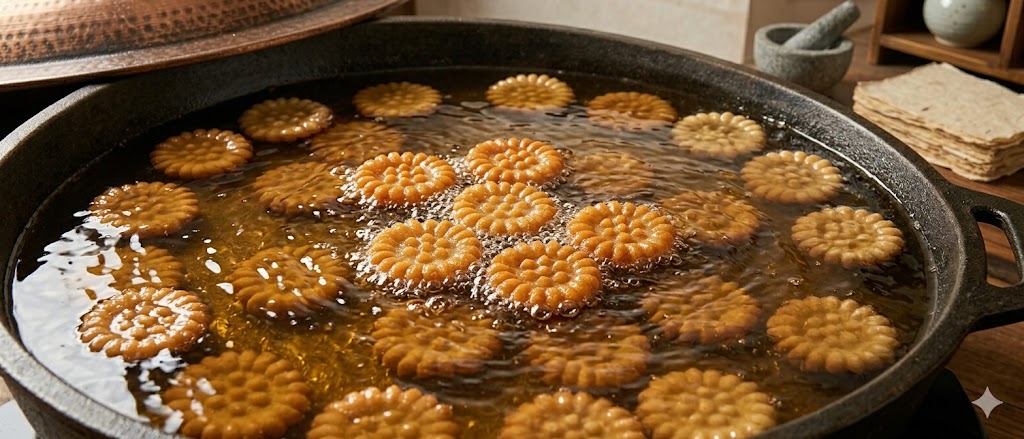
Photo: K-Food Stories · 130°C 저온에서 천천히 — 약과 튀기기의 핵심은 온도 유지
-
4
Make the syrup. Combine rice syrup, honey, water, and ginger slices. Bring to a boil, skim foam, reduce to low heat.
시럽 만들기. 물엿+꿀+물+생강 슬라이스를 한소끔 끓인다. 거품을 걷어내고 약불로 줄인다.
-
5
Soak. Submerge fried yakgwa in warm syrup. Minimum 10 hours, ideally 24. Flip occasionally so every surface absorbs evenly.
시럽에 담그기. 튀긴 약과를 따뜻한 시럽에 담근다. 최소 10시간, 가능하면 24시간. 뒤집어가며 골고루 흡수시킨다.
-
6
Dry and serve. Remove and let dry for 2–3 hours until the surface sets slightly. The outside firms up; the inside stays dense and honey-soaked. Done.
건조 후 완성. 건져내서 2~3시간 건조. 표면이 살짝 굳으면 완성. 겉은 단단하고 속은 꿀을 머금은 상태.
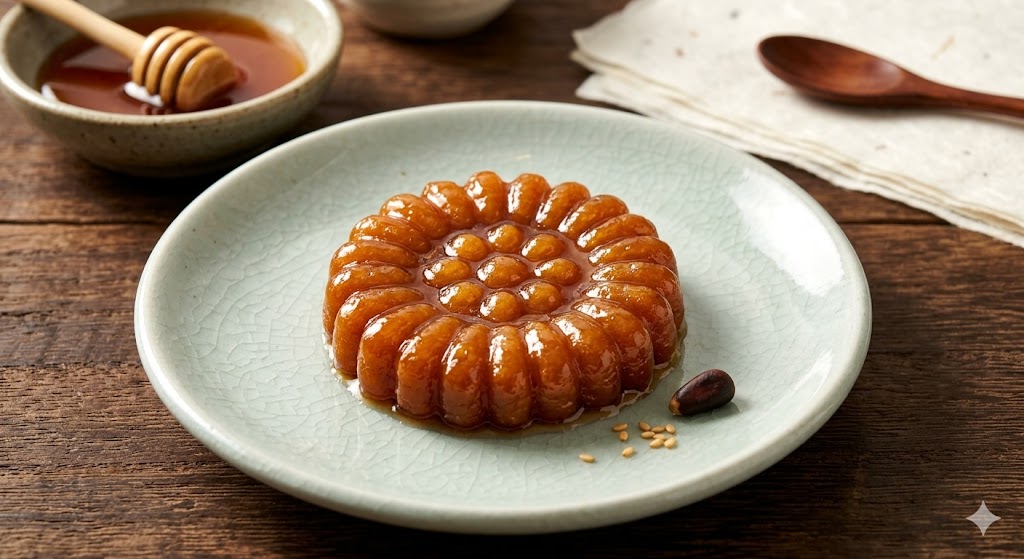
Photo: K-Food Stories · 10~24시간 꿀 시럽 흡수 — 이 단계가 약과를 약과답게 만든다
The One Thing That Matters
Don't knead the dough. The moment you develop gluten, the texture is gone — yakgwa turns hard instead of tender. Think of it less as mixing, more as gently persuading the ingredients together.
반죽을 치대지 않는 것이 전부다. 글루텐이 생기면 딱딱해진다. '섞는다'는 느낌보다 '그냥 뭉친다'는 느낌으로.
How to Say It
"약과" = Yak-gwa
Yak rhymes with "rock" — not "yak" the animal
gwa sounds like the "gua" in "guava"
Stress both syllables equally: YAK-GWA
약과 시리즈 · Yakgwa Series