콩국수
Kong-guksu — Cold Soybean Noodles
하얗고, 차갑고, 고소하다 · White. Cold. Unmistakably Korean.
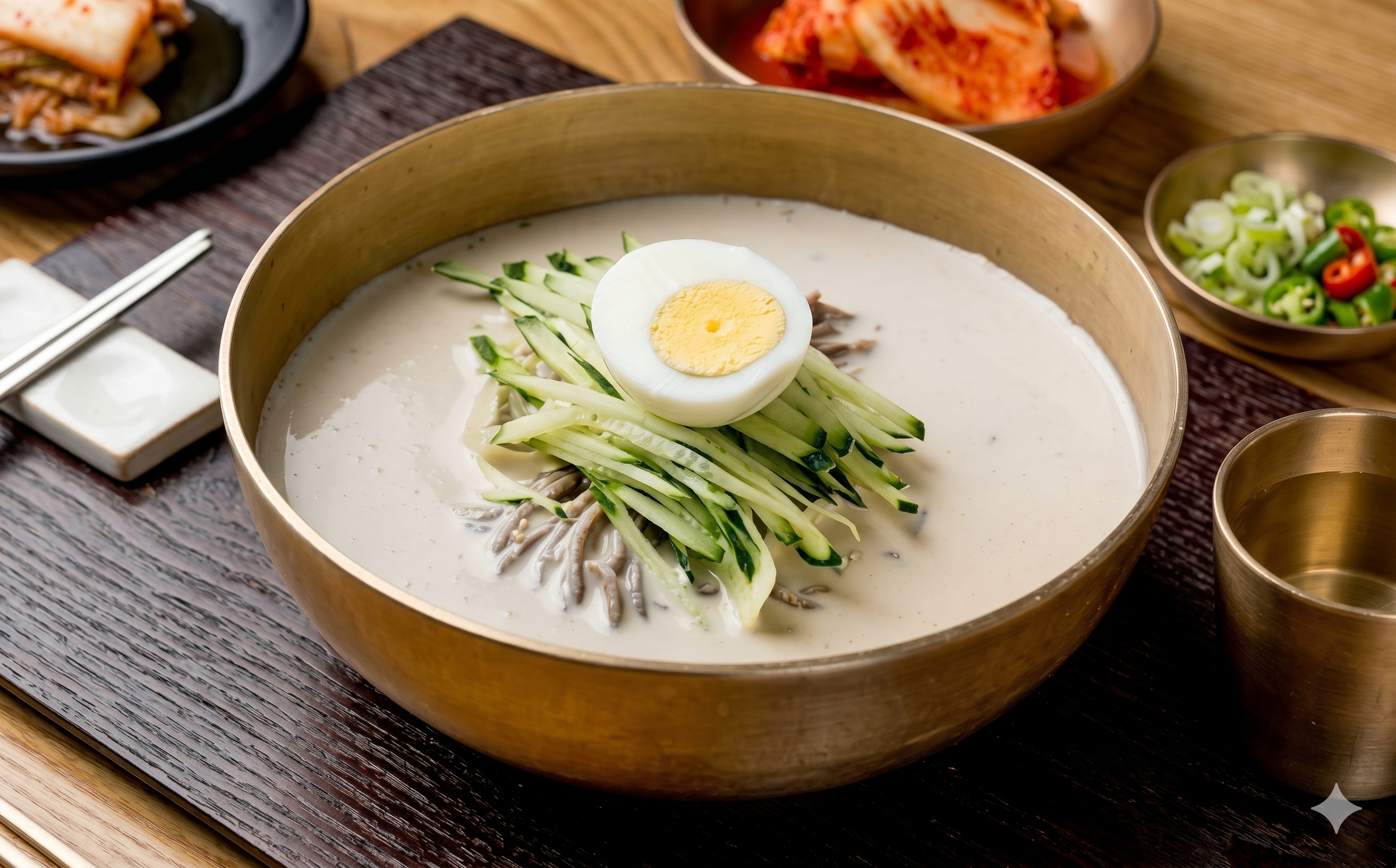
Photo: K-Food Stories · 콩국수 — 세 가지 재료가 만드는 여름의 맛
You thought Korean summer food was all heat and spice. Then someone slides a bowl of ice-cold, creamy white noodles across the table. — Kong-guksu.
한국 여름 음식이 다 빨갛고 맵다고요? 이건 하얗고, 차갑고, 한 모금에 여름이 시작됩니다. — 콩국수(Kong-guksu) 이야기.
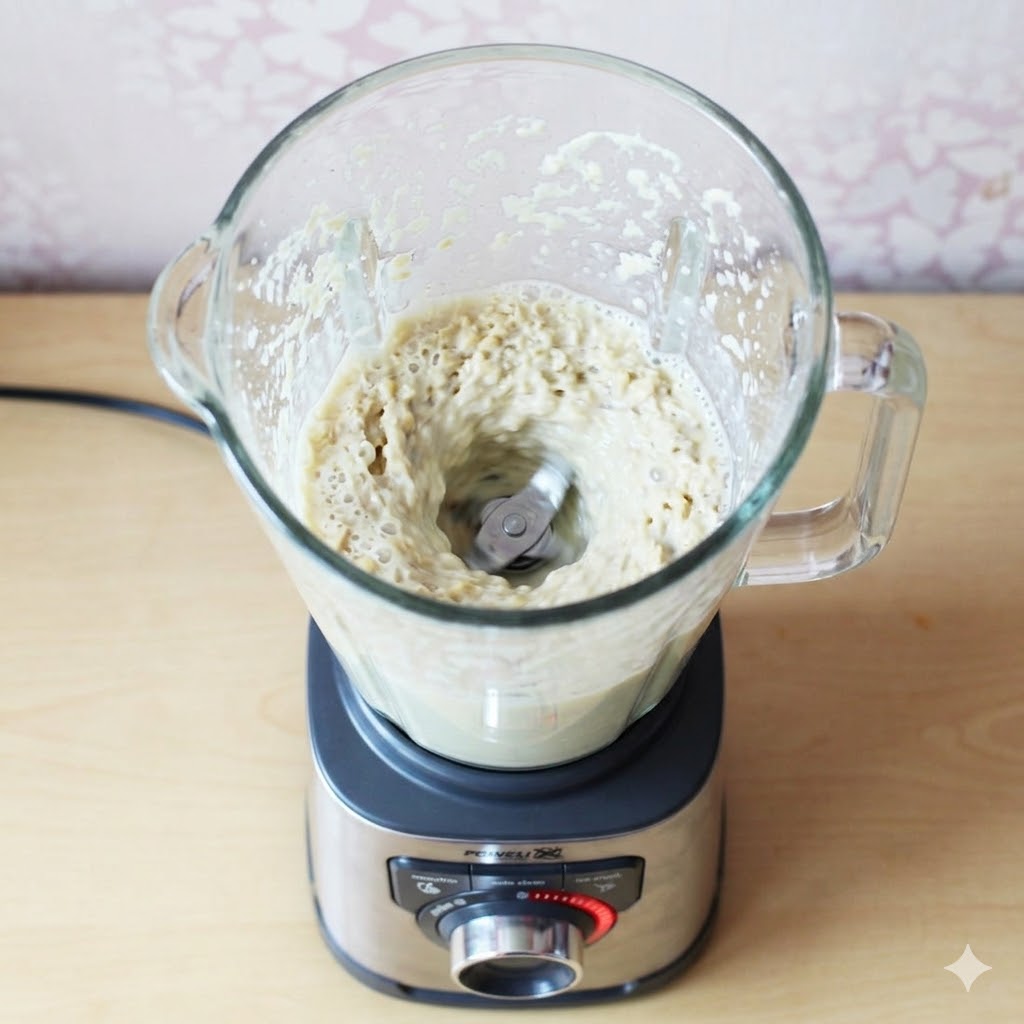
1970년대 믹서기 보급이 콩국수를 서민의 음식으로 만들었다
At first glance, it looks like a glass of cold soy milk that got noodles dropped in by accident. The broth is white, thick, ice-cold. Garnish is minimal — a few slices of cucumber, maybe some ice. Not exactly what you picture when someone says "Korean food."
But this dish has royal origins. In Joseon-era palace cuisine, summer meant imjasutang — cold noodles served in a broth made from ground sesame seeds, a dish documented in royal banquet records from the reign of King Gojong. As that tradition spread beyond the palace walls, expensive sesame gave way to something far more accessible: soybeans. A dish for kings became food for everyone. By the late 1800s, a cookbook called Siuijeonseo already records the recipe in a form almost identical to today's — soak the beans, boil them, grind them smooth, season with salt, serve over noodles.
콩국수를 처음 보면 두유 같다는 생각이 먼저 든다. 하얗고 걸쭉한 국물, 얼음 몇 개, 오이 채 한 줄. "이게 식사야?" 싶은 비주얼이다.
그런데 이 음식의 조상은 조선 왕궁에 있다. 궁중에선 여름철마다 임자수탕(荏子水湯)이라는 음식을 먹었다 — 깨(임자)를 갈아 차게 식힌 국물에 밀국수를 말아 내는, 고종 시절 진연 의궤에도 기록된 왕실 여름 요리다. 이 문화가 민간으로 퍼지면서 값비싼 깨 자리를 흔하고 저렴한 콩이 차지했다. 19세기 말 조리서 『시의전서』에 이미 현재와 거의 동일한 레시피가 실려 있다 — 콩을 삶아 갈고, 소금 간을 하고, 밀국수를 말아 먹는 것.
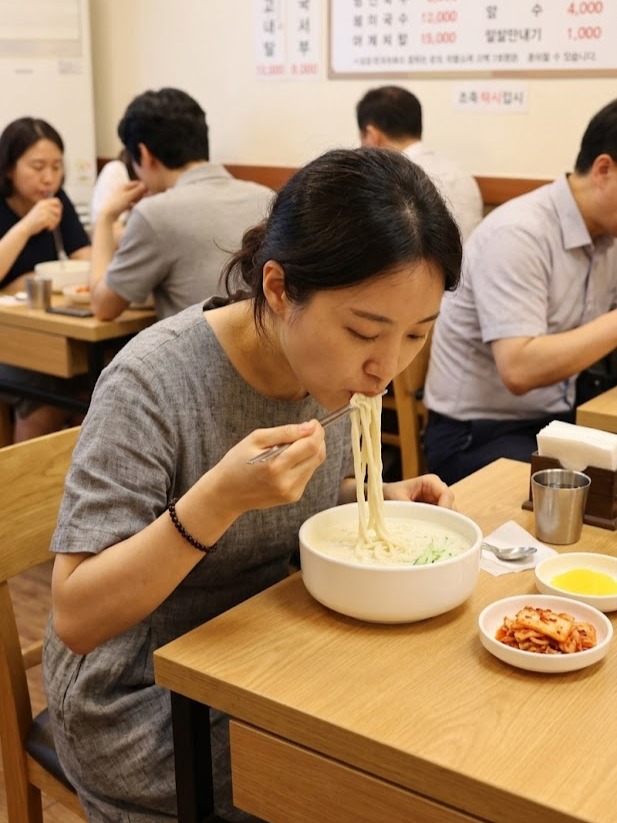
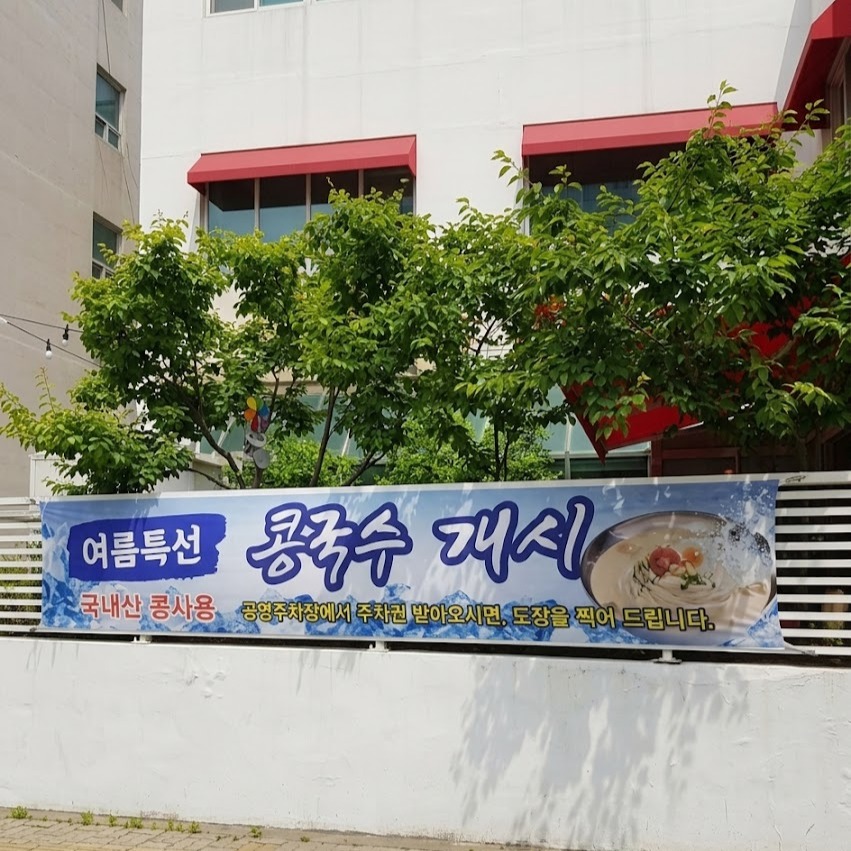
"When a restaurant hangs a banner that reads 'Kong-guksu is back,' summer has officially started."
Then the 1970s changed everything. Electric blenders arrived in Korean homes, turning a half-day grinding job into five minutes. The government was simultaneously pushing a "eat less rice" campaign, actively encouraging wheat noodle consumption. Kong-guksu went from occasional to ubiquitous in a single generation.
1970년대, 믹서기가 집집마다 들어오면서 판이 바뀌었다. 멧돌로 반나절 갈아야 했던 콩국이 5분짜리 작업이 됐고, 마침 정부가 혼분식 장려 운동을 밀어붙이던 시절이었다. 콩국수는 단번에 한국 여름의 대표 음식이 됐다. 지금 한국인에게 식당 앞 "콩국수 시작합니다" 현수막은 계절 알람이다.
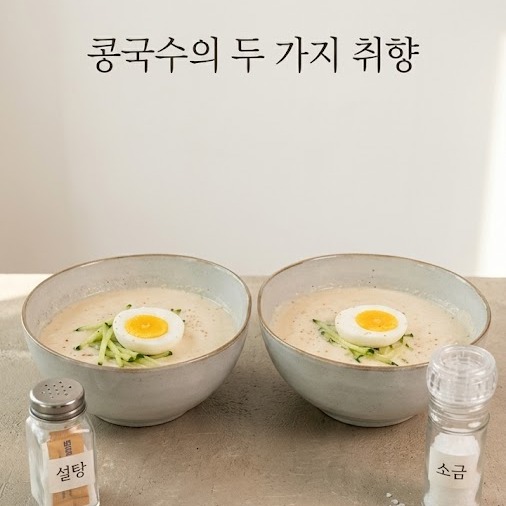 Salt or Sugar?
 Summer Only
 60 Years Strong
소금 vs. 설탕 · 여름 한정 · 60년 전통
Not a Smoothie
Three ingredients. Soaked white soybeans, water, salt. The result is a flavor so particular that Koreans have never bothered to compare it to anything else.
재료가 딱 세 가지다. 불린 흰콩, 물, 소금. 이 조합이 만들어내는 고소함을 설명하기 위해 한국인들은 아직도 적당한 단어를 찾는 중이다.
The Salt vs. Sugar Debate
In Seoul, you reach for salt. In Jeonnam province, you reach for sugar. Same bowl, same broth — and somehow it tells you exactly where someone's from.
서울 사람은 소금을 집는다. 전라도 사람은 설탕을 집는다. 콩국수 한 그릇이 지역 정체성을 드러내는 방식이다.
Summer Only
Most kong-guksu restaurants only serve it in summer — some only from June to September. In a country where almost everything is available year-round, this dish still insists on its season.
대부분의 콩국수 맛집이 여름에만 문을 연다. 1년 내내 뭐든 먹을 수 있는 나라에서 제철을 지키는 마지막 음식 중 하나다.
60 Years & Michelin
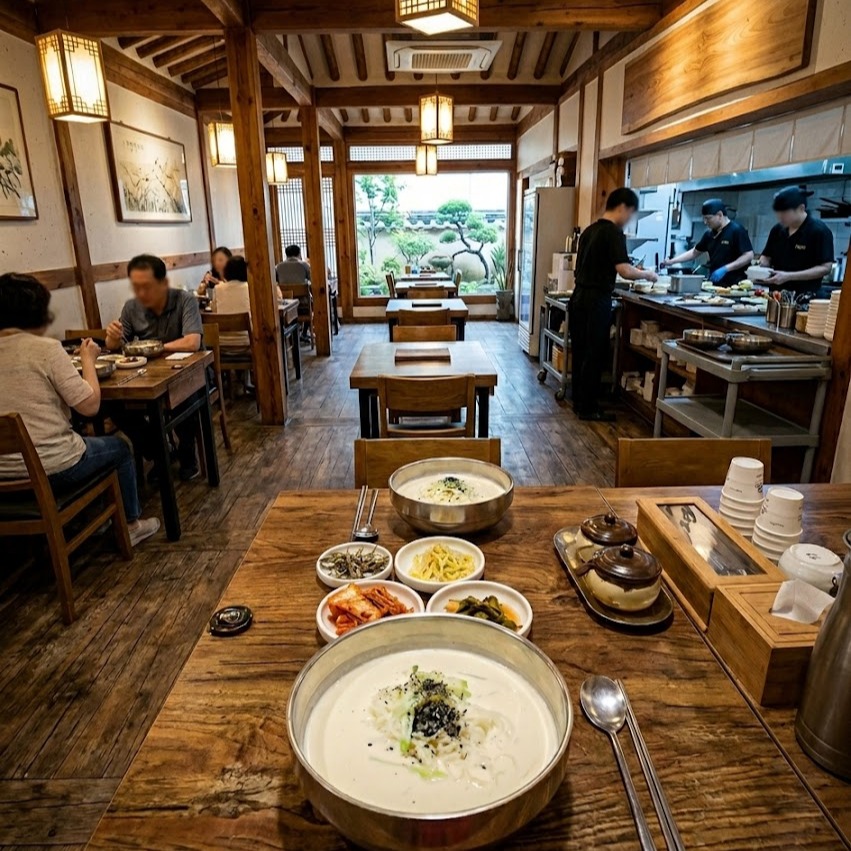
Jinju Hoegwan near Seoul City Hall has been doing this for 60 years and is now a Seoul Future Heritage site. Hwanggeum Kongbat in Mapo has held a Michelin Bib Gourmand for eight straight years (2018–2025).
서울 시청 옆 진주회관은 60년째 콩국수만 고집하며 서울미래유산에 등재됐다. 마포의 황금콩밭은 2018~2025년 8년 연속 미쉐린 빕 구르망.
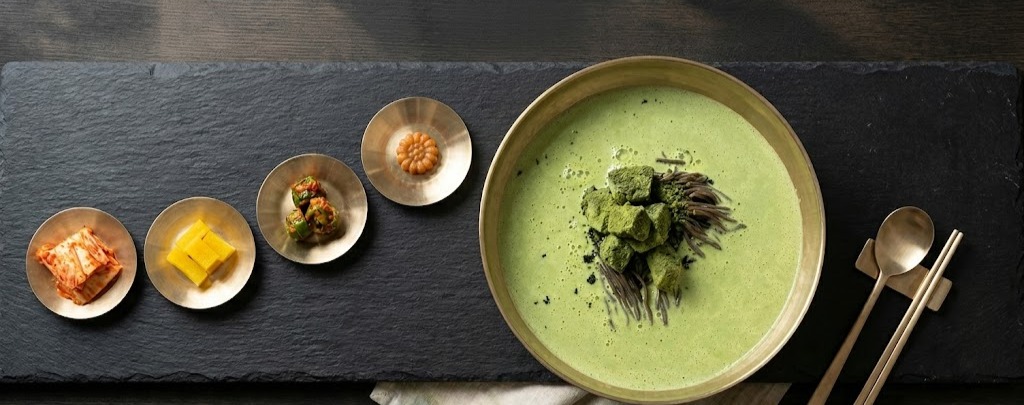
Kong-guksu's comeback isn't nostalgia. It's strategy. The dominant food trend among Korean millennials and Gen Z in 2024–2025 is jeosok-nohwa (저속노화) — "slow aging." Cut simple sugars and refined carbs, load up on plant-based protein, eat in ways that work with your body over time. Kong-guksu hits every marker: plant protein, low fat, low sugar, high satiety. It reads like someone reverse-engineered a longevity bowl, then realized Korea had been making it for centuries.
The vegan angle doesn't hurt either. Not a single animal product in the bowl — which lands perfectly for a generation that increasingly eats flexitarian without making a big deal of it. Then Gen Z took it further. A small restaurant in Jongno went viral after K-pop artist Jeon Somi visited for their matcha kong-guksu — sage-green broth, nutty meets bitter, reservations filled overnight. Black sesame versions are now appearing on Western food media as the natural successor to the global matcha wave.
콩국수가 요즘 다시 뜨는 건 우연이 아니다. 2024~2025년 MZ세대를 관통하는 키워드 저속노화 — 단순당을 줄이고, 식물성 고단백을 채우는 식단. 콩국수는 이 기준을 교과서처럼 충족한다. 식물성 단백질, 저지방, 저당, 포만감. 비건 트렌드와도 맞아 떨어지고, Z세대는 여기에 말차를 섞어 SNS 바이럴로 만들었다. 할머니가 여름마다 만들어 주던 음식이, 지금 가장 앞서가는 식문화 언어로 다시 쓰이는 중이다.
Photo: K-Food Stories · 말차 콩국수 — 전통 위에 트렌드가 입혀지는 방식
진주회관
Jinju Hoegwan
서울미래유산 · 60년 전통3대째 이어온 냉콩국수 전문점. 면을 직접 제조하며, 올라가는 토핑은 오이 채 한 줄이 전부다. 이게 오히려 콩국물 자체에 집중하게 만든다. 이건희 전 삼성 회장이 즐겨 찾던 집으로 유명하고, 직장인부터 미식가까지 계절마다 줄을 세운다.
Three generations, one dish. The noodles are house-made; the only topping is a thin slice of cucumber. That restraint is the point — it forces the broth to carry everything. Beloved by everyone from office workers to former Samsung chairmen. Expect a line in peak summer.
월–금 11:00–21:00 · 토 11:00–20:00 · 일 휴무 · 영어메뉴 없음 (주문 간단)
2018–2025 미쉐린 빕 구르망 8년 연속 + 미쉐린 그린스타(지속가능성). 매일 아침 100% 국내산 콩으로 두부를 직접 만드는 집. 콩국수는 흰콩이 아닌 검은콩(서리태) 베이스 — 색이 진하고 고소함이 훨씬 묵직하다. 여름 한정 메뉴.
Eight straight years on the Michelin Bib Gourmand list, plus a Green Star for sustainability. The kong-guksu here uses black soybeans instead of white — the broth is darker, nuttier, and significantly richer. Foreign-friendly: Michelin listing means plenty of English resources online. Summer only.
칼국수·만두로 유명한 집이지만 여름 한정 콩국수가 따로 있다. 가장 큰 특징은 클로렐라로 만든 초록빛 면발. 비주얼부터 다르고 SNS 콘텐츠가 바로 나온다. 명동 한복판이라 영어 메뉴 완비, 외국인 접근성 최상.
Famous for knife-cut noodles, but the summer kong-guksu is worth the visit for one reason: bright green noodles made with chlorella. Visually unlike anything else on the menu. English menus available. Dead center in Myeongdong — the easiest kong-guksu option if you're already in the tourist corridor. Hours: 10:30–21:30 daily.
Method 1 — 정통 콩국물 · The Traditional Way
| 재료 · Ingredient | 대체 · Note |
|---|---|
| 백태(메주콩) 1컵 | Dried white soybeans — Asian grocery |
| 물 700ml | Cold filtered water preferred |
| 소금 적당량 | Add just before serving |
| 소면 2인분 | Thin wheat noodles / vermicelli |
| 오이 채, 얼음, 통깨 | Garnish — optional but classic |
- 1
Soak dried soybeans in cold water for at least 8 hours (overnight is best).
백태를 찬물에 8시간 이상 불린다. 전날 밤에 담가두면 좋다.
- 2
Rub soaked beans to remove skins. Rinse well.
불린 콩을 손으로 비벼 껍질을 벗기고 깨끗이 씻는다.
- 3
Boil beans in fresh water for 30 minutes with the lid slightly ajar. Skim foam.
새 물에 뚜껑을 살짝 열어두고 30분 삶는다. 거품은 걷어낸다.
- 4
Blend cooked beans with 700ml cold water until completely smooth.
삶은 콩 + 물 700ml → 믹서기에 넣고 곱게 간다.
- 5
Strain through a fine-mesh sieve. This step makes the broth silky — don't skip it.
고운 체에 한 번 걸러낸다. 이 단계가 고소함의 핵심이다.
- 6
Chill in the fridge. Boil noodles, rinse in cold water. Pour broth over, add ice, season with salt just before eating.
냉장고에서 충분히 식힌다. 소면을 삶아 찬물에 헹군 뒤 콩물 붓고, 먹기 직전 소금으로 간.
핵심 팁 · Key Tip
Don't over-boil the beans — 30 minutes is the line. Beyond that, the broth starts tasting like fermented soy paste (doenjang). Good kong-guksu should taste nutty and clean, not funky.
콩을 너무 오래 삶으면 된장 냄새가 난다. 30분이 한계선. 좋은 콩국수는 고소하고 깔끔해야지, 발효된 맛이 나서는 안 된다.
콩국수 만드는법 — 진하고 고소한 콩물 레시피 꿀팁 포함
YouTube · 정통 방식 · 상세 설명
Method 2 — 두부 콩국수 · The 15-Min Shortcut
| 재료 · Ingredient | 대체 · Note |
|---|---|
| 두부 1모 (300g) | Firm or soft tofu both work |
| 물 900ml | Fill the empty tofu container 3 times |
| 땅콩버터 1큰술 | Natural peanut butter preferred |
| 통깨 5큰술 | Sesame seeds — key for nuttiness |
| 소금 ¾큰술 | Adjust to taste |
| 소면 2인분 | — |
- 1
Add tofu, water, peanut butter, sesame seeds, and salt to a blender. Blend until completely smooth.
두부 + 물 + 땅콩버터 + 통깨 + 소금을 믹서기에 전부 넣고 곱게 간다.
- 2
Taste and adjust salt. Refrigerate for 20 minutes to chill.
맛보고 소금으로 최종 간을 맞춘 뒤 냉장고에 20분 넣어 차갑게.
- 3
Boil noodles, rinse under cold water, drain. Pour cold broth over. Serve with ice.
소면 삶아 찬물에 헹구고 물기 제거. 콩물 붓고 얼음 추가.
핵심 팁 · Key Tip
Tofu replaces the boiling-and-grinding process entirely. The result is about 80% as good as the traditional method, in 10% of the time. The peanut butter adds fat and depth — don't skip it.
두부가 삶고 가는 과정을 대신한다. 정통 방식의 80% 맛을 10분의 1 시간으로 낸다. 땅콩버터는 고소함의 핵심 — 빼지 말 것.
백종원표 콩 없이 맛있는 콩국수 만드는 법
YouTube · 백종원 PAIK JONG WON · 15분 완성
Method 3 — 자취생 버전 · The 5-Min Apartment Version
| 재료 · Ingredient | 대체 · Note |
|---|---|
| 무가당 두유 1팩 (190ml) | Unsweetened soy milk — critical |
| 두부 ¼모 | For extra creaminess |
| 소금 한 꼬집 | — |
| 소면 1인분 | — |
- 1
Blend unsweetened soy milk + tofu + a pinch of salt for 30 seconds.
무가당 두유 + 두부 + 소금을 믹서기에 넣고 30초 간다.
- 2
Boil noodles, rinse cold, drain. Pour broth over. Add ice.
소면 삶아 찬물에 헹구고 콩물 붓기. 얼음 넣기. 끝.
핵심 팁 · Key Tip
Use unsweetened soy milk. Sweetened soy milk turns it into a dessert. This is the only non-negotiable rule in the apartment version.
반드시 무가당 두유를 써야 한다. 달달한 두유로 만들면 완전히 다른 음식이 된다. 이 버전의 유일한 규칙이다.
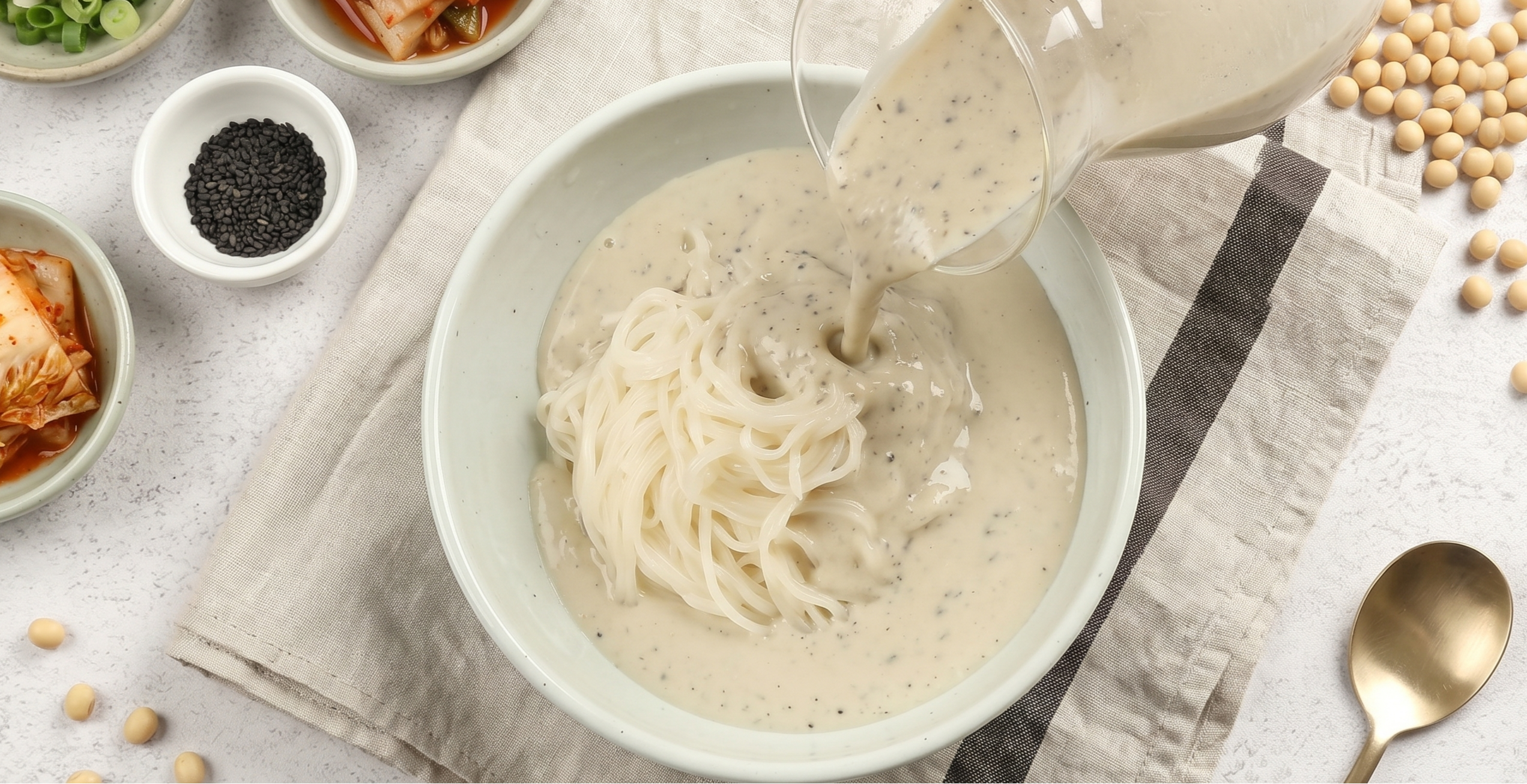
완성 · Finished kong-guksu — cold, creamy, ready
콩 제발 삶지 마세요 — 초간단 콩국수, 국수만 삶으면 끝
YouTube · 자취생 버전 · 5분 완성
발음 가이드 · Pronunciation Guide
"콩국수" = Kong-guk-su
Kong — rhymes with "song" (not "kong" as in Kong)
guk — sounds like "gook" (the G is soft, like "get")
su — like "sue"
Say it fast: Kong-guk-su. You've got it.
이 시리즈 · This Series