연포탕
Yeonpotang — Octopus Hot Pot
낙지탕인데 낙지가 없었습니다 · The octopus soup with no octopus origin
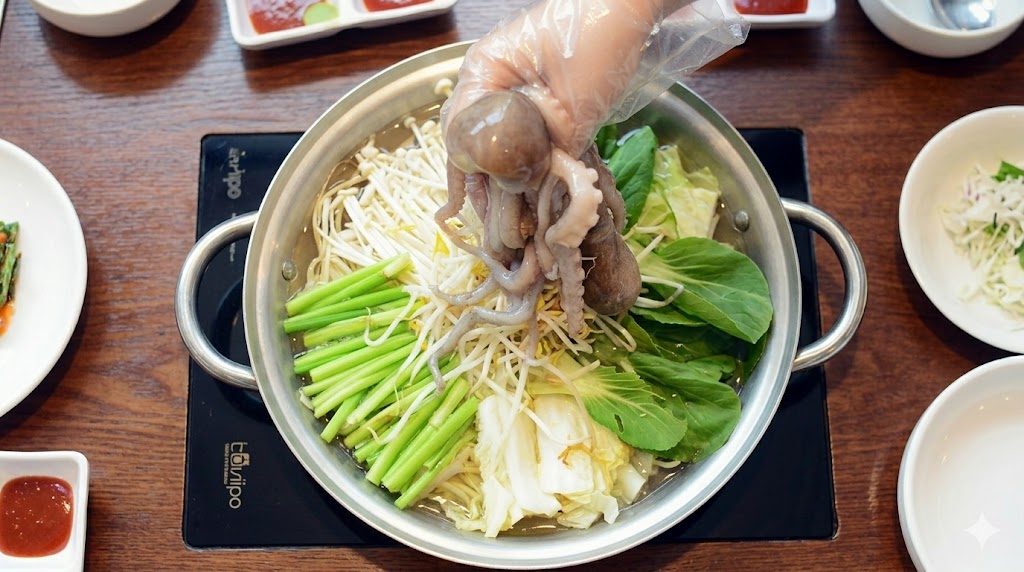
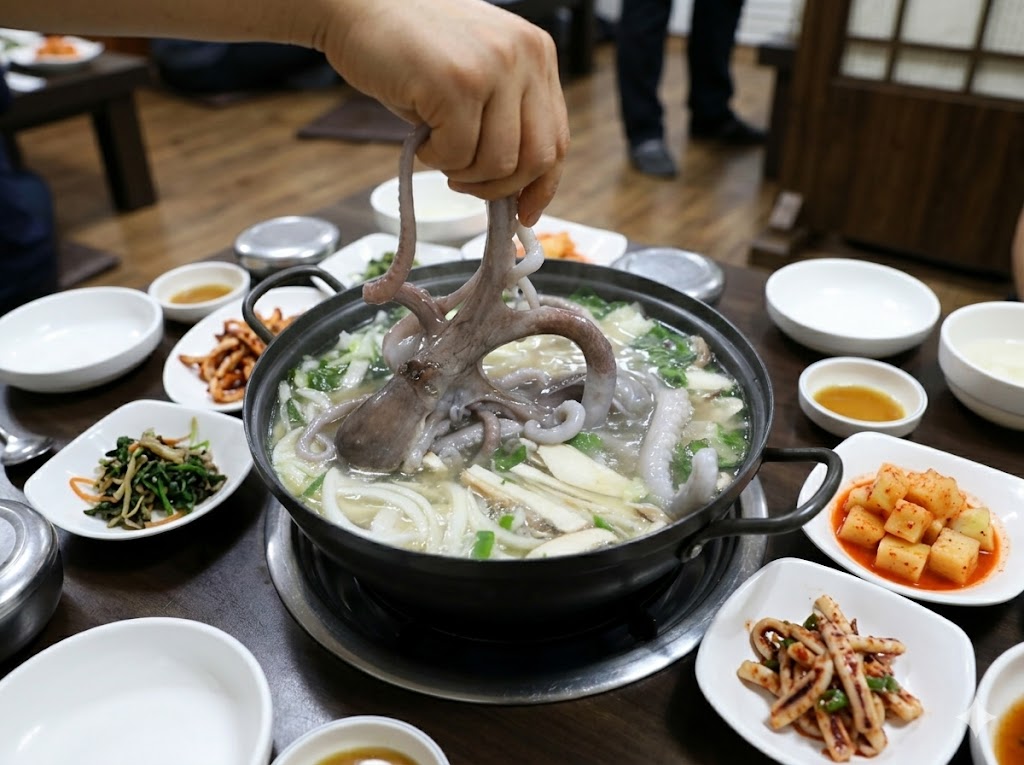
Photo: K-Food Stories · 맑은 국물에 산낙지를 통째로 — 양념 없이, 낙지 그 자체의 맛으로
The octopus soup that never started with octopus. Somewhere along the way, the tofu left and the octopus moved in. — Yeonpotang.
낙지탕인데, 원래 낙지가 없었습니다. 사라진 게 낙지가 아니라 두부라고요. — 연포탕(Yeonpotang) 이야기.
The octopus soup that never started with octopus. Somewhere along the way, the tofu left and the octopus moved in. — Yeonpotang.
낙지탕인데, 원래 낙지가 없었습니다. 사라진 게 낙지가 아니라 두부라고요. — 연포탕 이야기.
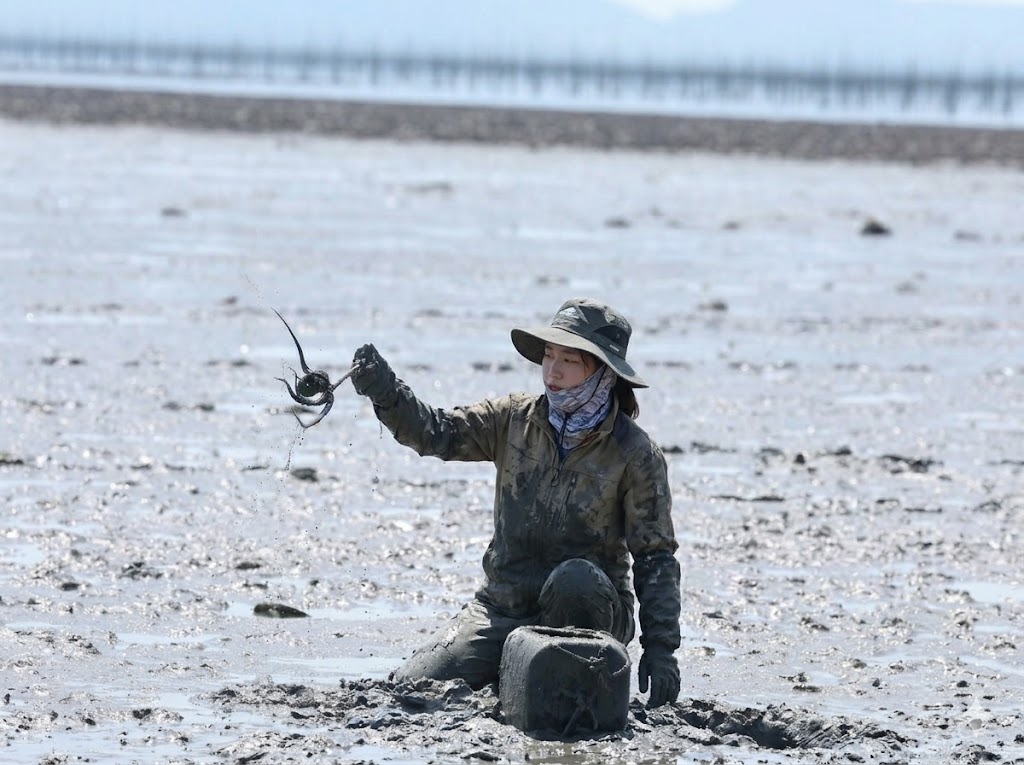
서해안 갯벌 · West Sea mudflats — Muan & Mokpo, where the octopus story begins
When most visitors encounter yeonpotang for the first time, they fixate on the live octopus going straight into the boiling broth. Tableside. Still moving. Which, fair enough. But the more interesting story is actually in the name.
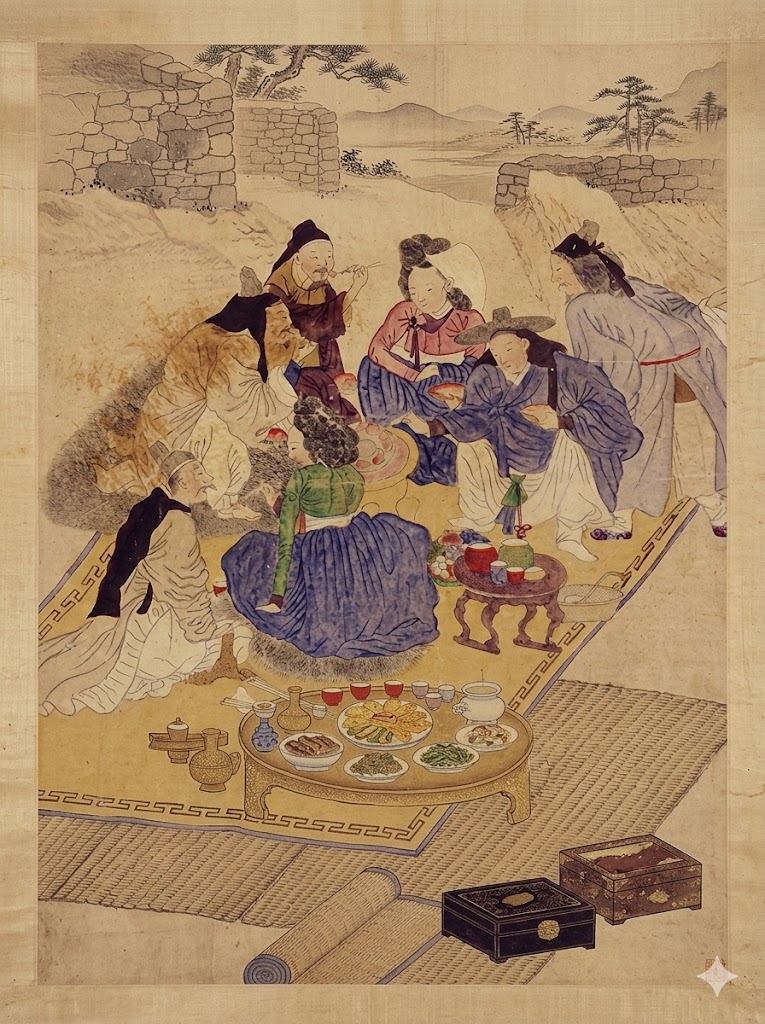
Yeonpotang — written 軟泡湯 — literally means "soft tofu soup." Not octopus. Tofu. An 18th-century Joseon scholar named Seo Myeong-eung documented it as thinly sliced tofu, skewered, pan-fried, then simmered in chicken broth. The literati loved it so much they formed exclusive dining clubs called yeonpohoe — groups that traveled specifically to mountain temples to eat this soup and write poetry. Elegant, refined, thoroughly scholar-coded. Then things went sideways. By the late 17th century, yeonpohoe meetings had become covers for political factions. Scholars started barging into temples and demanding that monks serve them beef and chicken. King Yeongjo discussed banning the practice in 1754. A tofu soup club caused a royal policy debate. As one does.
The octopus arrived through the tidal flats of Korea's West Sea coast — Muan, Hongseong, Mokpo — where long-arm octopus was pulled straight from the mudflats and into the pot. Chicken was swapped out, tofu quietly followed, and the name stayed the same. Today's yeonpotang is one of the most restrained soups in all of Korean cuisine: clear kelp broth, live octopus, radish, mushrooms, no gochujang in sight. Come autumn, when the octopus has fattened up after spawning season, West Coast restaurants serve this at peak form. Every other Korean soup dresses up for the occasion. Yeonpotang just shows up as itself.
연포탕을 처음 보는 외국인들은 대개 이걸 먼저 발견한다. 산낙지가 끓는 국물 안에서 아직 움직이고 있다는 걸. 근데 그게 핵심이 아니다. 진짜 이야기는 이 탕의 이름에 있다.
연포(軟泡), 한자 뜻 그대로 하면 '부드러운 두부'다. 낙지가 아니다. 두부다. 18세기 조선 실학자 서명응의 기록에 따르면, 연포탕은 두부를 얇게 썰어 꼬챙이에 꿰어 지진 뒤 닭국물에 끓인 음식이었다. 이걸 선비들이 얼마나 좋아했는지, '연포회(軟泡會)'라는 모임까지 만들었다. 산 좋은 사찰에 몰려가서 두부탕 먹으면서 시를 썼다. 처음엔 그랬다. 근데 17세기 후반부터 연포회가 파벌 회의장으로 변질됐고, 사찰에 들어가 쇠고기를 내놓으라고 승려들을 겁박하는 지경까지 갔다. 결국 1754년, 영조가 직접 연포회 금지를 논의했다. 두부탕 모임이 왕의 심기를 건드린 것이다.
해안 지방, 특히 서해안 갯벌 인근 마을에서 닭고기 대신 낙지를 넣기 시작하면서 판도가 바뀌었다. 무안, 홍성, 목포 일대에서 갯벌 낙지가 지천이었고, 두부는 자연스럽게 밀려났다. 지금 연포탕은 맑은 다시마 국물에 산낙지를 통째로 넣어 끓이는 요리다. 고추장도, 된장도, 고춧가루도 없다. 낙지 자체의 맛으로만 승부하는 탕. 그리고 낙지 살이 가장 통통하게 오르는 가을, 서해안 식당에서 이걸 먹으면 이야기가 또 달라진다.
When most visitors encounter yeonpotang, they fixate on the live octopus going straight into the boiling broth. Tableside. Still moving. But the more interesting story is in the name.
Yeonpotang — 軟泡湯 — literally means "soft tofu soup." An 18th-century Joseon scholar documented it as pan-fried tofu in chicken broth. The literati loved it so much they formed dining clubs called yeonpohoe. Elegant, until it wasn't — by the late 17th century the clubs had become political factions terrorizing Buddhist monks. King Yeongjo discussed banning them in 1754. A tofu soup club caused a royal policy debate.
Octopus arrived through the tidal flats of Korea's West Sea coast — Muan, Hongseong, Mokpo. Chicken was swapped out, tofu followed, and the name stayed. Today: clear kelp broth, live octopus, no gochujang. Come autumn, when post-spawning octopus is at its fullest, West Coast restaurants serve this at peak form.
연포(軟泡)는 '부드러운 두부'라는 뜻이다. 원래 연포탕은 두부탕이었다. 선비들의 연포회가 파벌 집회로 변질돼 1754년 영조가 금지를 논의할 정도였다.
서해안 갯벌(무안·홍성·목포)에서 낙지가 들어오면서 두부는 밀려났다. 지금은 맑은 국물에 산낙지를 통째로 — 양념 없이. 가을, 서해안에서 먹으면 이야기가 달라진다.
"The quiet counter-argument to everything Korean food is supposed to be."
In a moment when "K-Spicy" has become shorthand for an entire cuisine, yeonpotang is the quiet counter-argument. No gochujang. No heat. Just a crystal-clear broth that proves Korean cooking has a register most foreigners never encounter. The spots that do this right — live octopus, same-day kelp stock, no compromise — still quietly fill up at lunch on weekdays. This was never a trend. It didn't need to be.
지금 한국 음식 하면 '맵고 강렬하다'는 이미지가 먼저다. 연포탕은 그 반대편에 조용히 서 있다. 고추장도, 된장도 없이 이 정도로 깊은 맛이 가능하다는 사실. 산낙지, 당일 우린 다시마 육수, 타협 없는 재료. 이 탕을 제대로 내는 집들이 평일 낮에 조용히 자리를 채우는 이유가 거기에 있다.
In a moment when "K-Spicy" has become shorthand for an entire cuisine, yeonpotang is the quiet counter-argument. No gochujang, no heat — just a crystal-clear broth that proves Korean cooking has a register most foreigners never encounter.
지금 한국 음식 하면 '맵고 강렬하다'는 이미지가 먼저다. 연포탕은 그 반대편에 조용히 서 있다. 고추장도, 된장도 없이 이 정도로 깊은 맛이 가능하다는 사실.
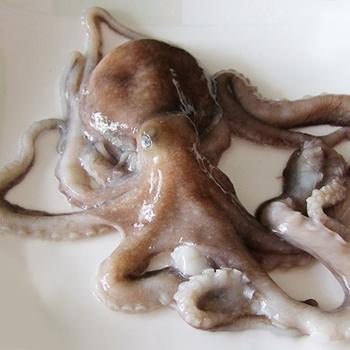 산낙지
산낙지
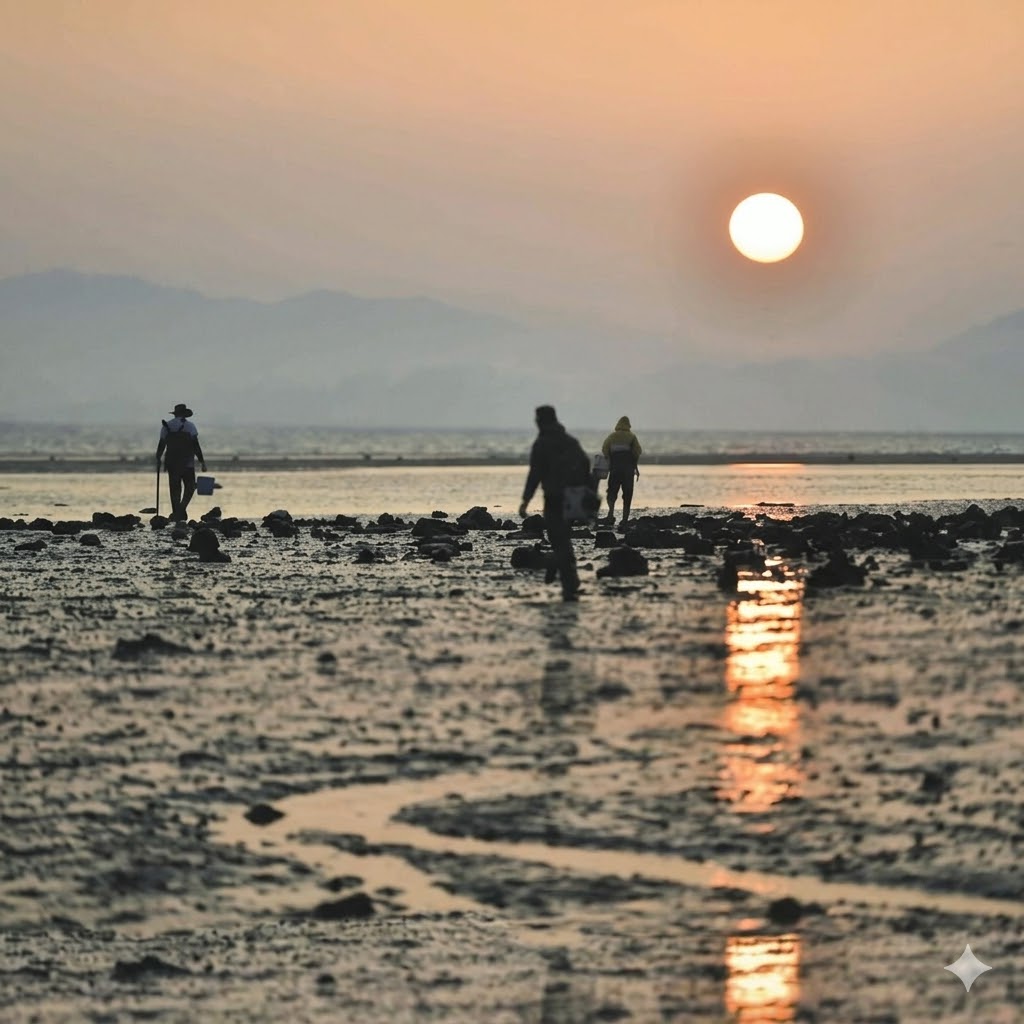 서해안 갯벌
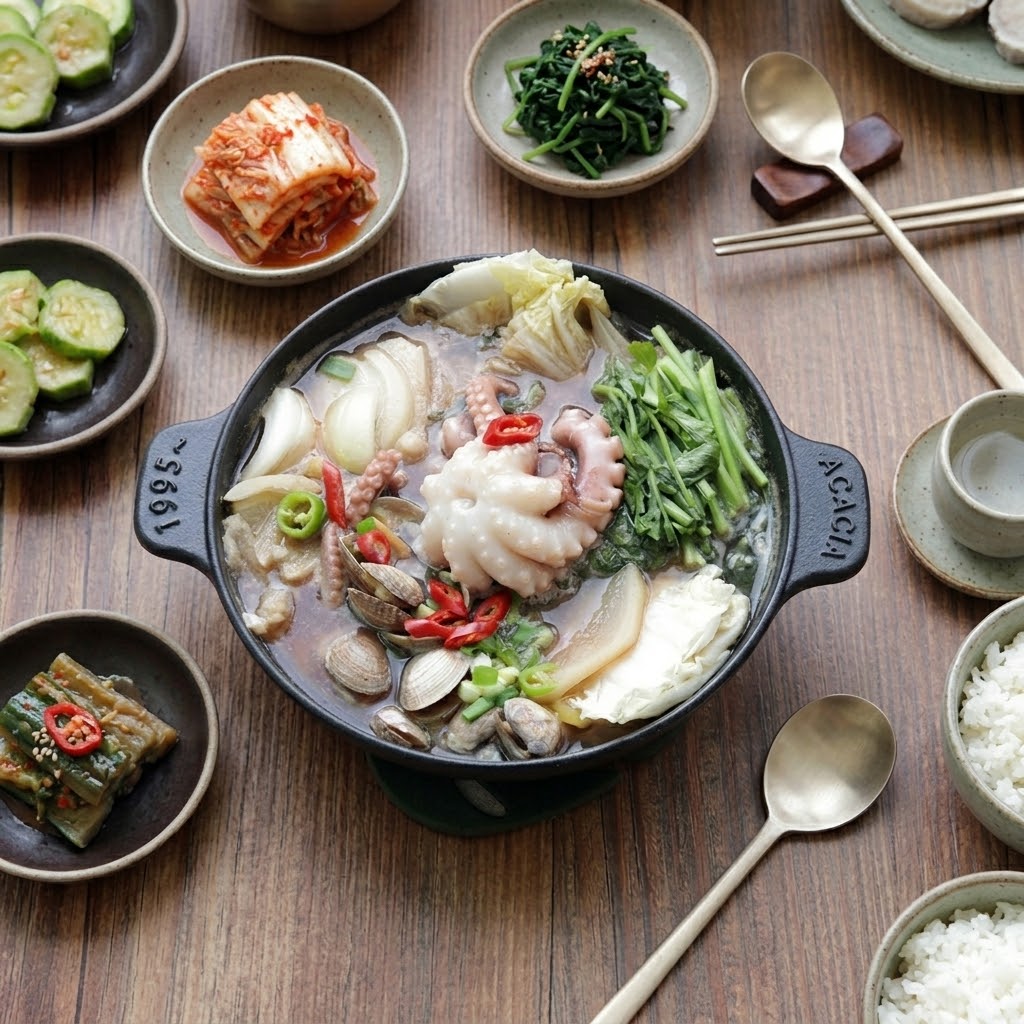 연포탕
연포탕
왼쪽부터: 산낙지 · 서해안 갯벌 · 연포탕 완성
The Name Is a Lie
Yeonpo (軟泡) means soft tofu. The octopus hijacked the dish and left the original name intact. It's been 300 years and nobody filed a complaint.
연포(軟泡)는 순두부를 뜻하는 한자다. 낙지는 이름에 없다. 두부가 나가고 낙지가 들어왔는데, 이름은 아무도 안 바꿨다.
The Scholars' Club That Went Too Far
The yeonpohoe (연포회) started as a poetry-and-soup club. It evolved into a political faction that bullied Buddhist monks. King Yeongjo discussed banning it in 1754. Tofu soup with documented consequences.
연포회는 선비들의 두부탕 모임이었다가 파벌 집회로 변질됐다. 사찰을 겁박하는 지경이 되자 1754년 영조가 금지를 논의했다. 두부탕치고는 파급력이 상당했다.
Autumn Is the Season, West Coast Is the Place
Octopus peaks in autumn (September–November), post-spawning, when the flesh is at its fullest. The best nakji comes from the tidal mudflats of Korea's West Sea — Muan, Mokpo, Hongseong. The same geography that invented this dish still grows the best ingredient for it.
낙지 제철은 9~11월, 산란을 마치고 살이 오르는 가을이다. 제대로 된 낙지는 서해안 갯벌에서 나온다. 전남 무안·목포, 충남 홍성 일대의 세발낙지가 연포탕 국물을 다르게 만드는 이유다.
No Heat. Zero.
Most Korean soups reach for gochujang, doenjang, or gochugaru as a reflex. Yeonpotang uses none of the above. It's proof that Korean cuisine knows how to get out of its own way.
한국 국물 요리에서 고추장, 된장, 고춧가루 중 하나도 안 들어가는 경우는 드물다. 연포탕은 그 희귀한 예외다. 이 나라가 맑은 국물도 할 줄 안다는 증거.
무교동 낙지 거리
Mugyo-dong Nakji Street · Jongno-gu, near Cheonggyecheon
1960년대 형성 · 서울 낙지 골목의 원조청계광장 인근, 1960년대부터 이어온 서울 대표 낙지 골목. 연포탕, 낙지볶음, 탕탕이가 한 거리에 다 있다. 관광지이기도 하지만 점심엔 근처 직장인들이 훨씬 많다. 영어 메뉴 있는 곳 다수. 영업시간 11:30~21:00.
Seoul's original octopus street, established in the 1960s near Cheonggyecheon Plaza. Every style — yeonpotang, stir-fried, raw — in a single block. It looks like a tourist spot but fills up with office workers at lunch. Multiple restaurants with English menus. Open 11:30–21:00.
Gwanghwamun역 도보 5분 · 외국인 접근성 높음
서울에서 연포탕 하면 현지인이 가장 먼저 꼽는 곳 중 하나. 산낙지 요리만 전문으로 하는 곳이라 재료 신선도가 다르다. 영업시간 12:00~22:00.
Locals' first pick for yeonpotang in Seoul. Specialises exclusively in live octopus — a single focus that shows in the quality. Open 12:00–22:00.
서울역 10번 출구에서 도보 2분. 공항에서 오자마자 또는 떠나기 전 마지막 한 끼로 위치가 완벽하다. 연포탕, 낙지볶음, 낙지비빔밥 모두 가능. 영어 메뉴 있음. 영업시간 11:00~22:00.
Two minutes from Seoul Station Exit 10 — perfect for first or last meal logistics. Yeonpotang, stir-fried octopus, and octopus bibimbap all available. English menu. Open 11:00–22:00.
생생정보통에 소개된 현지인 단골 맛집. 산낙지연포탕으로 유명. 관광객보다 동네 사람들이 더 많다는 게 인증이다.
Featured on KBS's Saengsengjeongt-ong and known for its live-octopus yeonpotang. The ratio of locals to tourists is the only endorsement you need.
발음 가이드 · Pronunciation Guide
"연포탕" = Yeon-po-tang
연 (Yeon) — sounds like "yun" in yarn
포 (po) — like "paw"
탕 (tang) — rhymes with "tong"
이 시리즈 · This Series